

Tia Sauls
Tia Sauls is an early education specialist who helps families and educators navigate the child care, early education, and K–12 landscapes.
Employers across the U.S. can reduce costs and strengthen their workforce by taking advantage of childcare tax credits and state incentives. From Alabama’s new employer childcare credit to Virginia’s 25% construction incentive, these programs help businesses provide affordable, accessible childcare to working families.
Learn how your business can make childcare part of your benefits strategy while saving through state and federal tax programs.
To get familiar with the basics, you can also explore employer-sponsored childcare and how it supports both families and workplaces.
Why Employer Childcare Incentives Matter
Childcare is one of the largest expenses working families face, and the lack of affordable options often keeps parents, especially mothers, out of the workforce. For employers, this gap contributes to higher turnover, absenteeism, and lost productivity. By supporting childcare, employers can directly improve employee satisfaction and loyalty while reducing hiring and training costs.
The federal government and a growing number of states now reward businesses that take action through tax credits, grants, and matching programs. These incentives make it easier for employers to create or fund childcare solutions that benefit both their employees and the local economy.
Programs often include:
- Facility credits: For constructing or renovating childcare centers.
- Subsidy credits: For helping employees pay for licensed care.
- Donations or partnership credits: For collaborating with community childcare providers.
Ultimately, these programs support the shared goal of improving workforce participation, family stability, and child development.
Jump to Your State
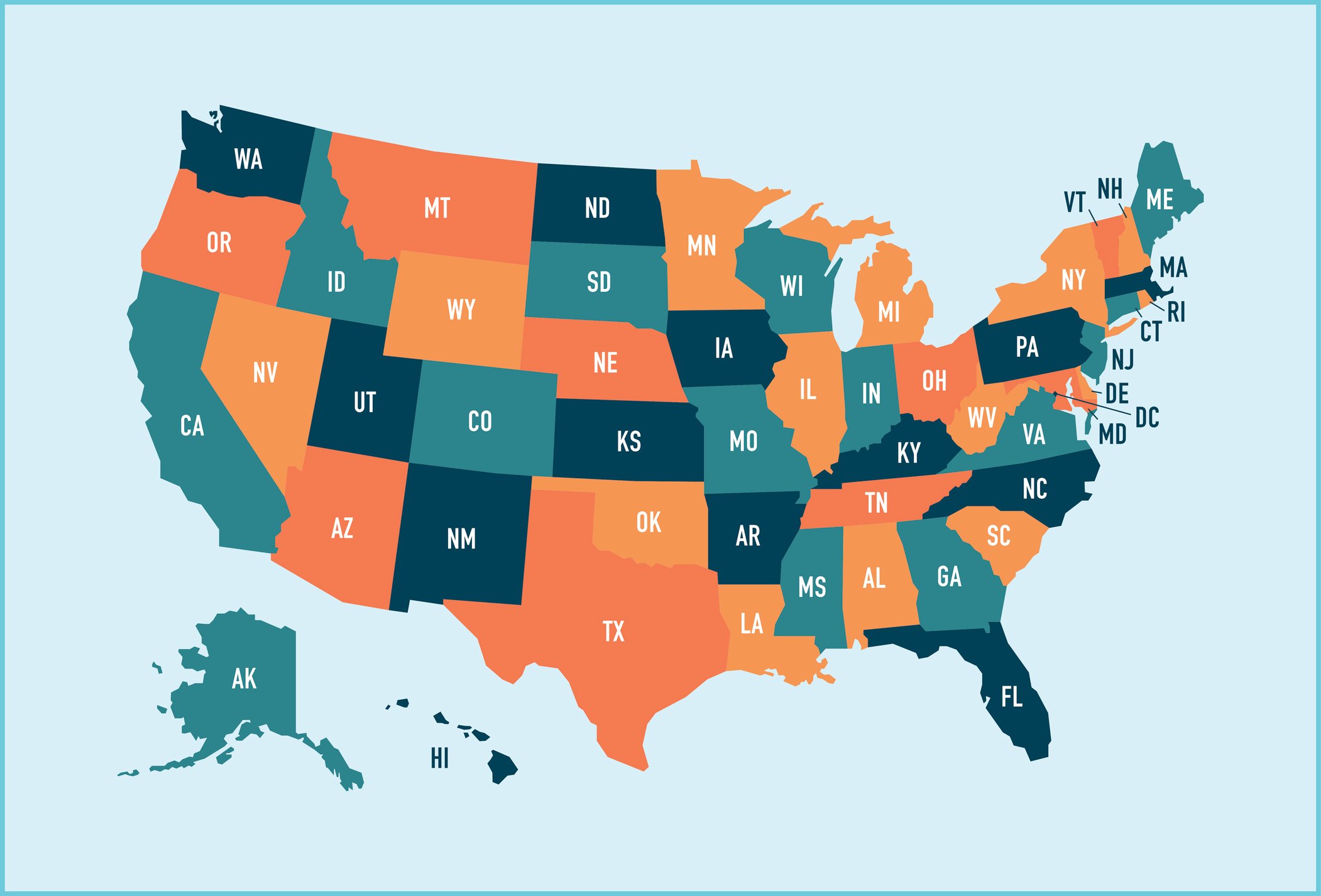
State-by-State Overview
Alabama
Alabama’s new Employer Child Care Tax Credit (HB358) offers up to $600,000 per year per employer, depending on company size. Businesses with fewer than 25 employees can claim 100% of eligible childcare expenses, while larger employers can claim 75%. Covered costs include construction, equipment, and payments made to childcare facilities that serve employees’ children.
California
The State Credit for Childcare Facilities (45F) allows a 30% credit for expenses related to creating or improving childcare centers. Employers may also qualify for federal benefits under Form 8882, which provides up to $150,000 annually in combined credits. This incentive encourages employers to build accessible, high-quality childcare spaces within their communities.
Colorado
Colorado provides multiple credits that make it one of the most comprehensive states for childcare investment. The Colorado Child Care Contribution Tax Credit allows a 50% credit for donations to licensed childcare programs. The Employer Child Care Credit supports facility investments, and nonprofit childcare operators can receive property tax exemptions when their centers serve families at reduced costs.
Connecticut
Employers investing in Connecticut childcare facilities or providing subsidies can receive a 60% credit for eligible expenses, with a maximum of $50,000 per year. A new 25% credit also applies to renovation and employee childcare assistance costs. Connecticut’s Human Capital Investment program recognizes childcare as a workforce development priority.
Florida
Florida’s Child Care Tax Credit allows employers to claim up to 50% of startup costs for licensed childcare facilities or a $300 monthly credit per enrolled child. Direct payments to licensed providers are fully deductible up to $3,600 per child per year, encouraging businesses to provide consistent, high-quality care.
Georgia
Georgia Child Care Tax Credit offers a 75% operating cost credit for companies that provide childcare and a 100% property investment credit for businesses constructing or expanding facilities, claimed at 10% annually for ten years. These incentives make Georgia one of the most business-friendly states for employer-supported childcare.
Illinois
Employers who establish Illinois childcare centers may receive a 30% startup credit and a 5% annual operating expense credit. Manufacturers also qualify for a dependent care assistance credit equal to 125% of direct costs, incentivising on-site care and flexible childcare solutions.
Indiana
The Employer Child Care Expenditure Tax Credit provides a 50% credit for expenses related to operating, subsidizing, or contracting childcare services. This initiative reduces the financial strain of care while supporting workforce participation and retention.
Iowa
Iowa’s Employer Child Care Tax Credit mirrors the federal program by providing a 30% credit for building or contracting childcare facilities, with a $2 million statewide cap. The Child Care Business Incentive Grant helps employers create new childcare slots, supporting local economic growth.
Kansas
Kansas Employer Child Care Tax Credit allows 30–50% credits for businesses that fund, operate, or purchase childcare services for employees. Employers can also claim credits for helping employees locate care, with a maximum of $45,000 per year.
Kentucky
Through the Employee Child Care Assistance Partnership, the state matches employer childcare contributions up to 100%, depending on household income. This partnership model bridges the gap for families earning up to 180% of the state median income.
Louisiana
With the Louisiana Employee Child Care Assistance Partnership Program, employers may claim up to $50,000 annually for qualified childcare expenses or receive credits for donating to local childcare agencies. Louisiana also offers additional tax breaks to childcare providers who improve program quality or pursue professional development.
Maine
Employers building on-site childcare can claim 25% of construction costs, up to $150,000 annually. Those covering at least half of employees’ childcare expenses qualify for additional incentives under Maine’s quality improvement credit.
Maryland
Employers may receive up to $900 per employee for approved childcare or transportation costs. Maryland’s Department of Human Resources certifies eligible programs, ensuring they meet state quality and licensing standards.
New Mexico
Businesses that fund or operate childcare centers may claim a 30% tax credit up to $30,000 annually. The state also exempts certain childcare services from gross receipts tax, making New Mexico one of the most childcare-forward states for employers.
New York
Employers offering childcare or resource services may claim a refundable credit up to $500,000, worth 200% of the federal credit. The Excelsior Child Care Services Tax Credit further rewards businesses that sponsor or financially support ongoing childcare programs.
North Carolina
The North Carolina Tri-Share Child Care Pilot Program divides childcare costs equally between the employer, the employee, and the state. It targets families earning 185–300% of the federal poverty level, improving accessibility for working parents.
Virginia
Employers receive a 25% credit up to $25,000 for childcare facility planning, construction, or renovation. The credit includes permanent equipment such as appliances and learning materials necessary for day-to-day operations.
West Virginia
Businesses constructing or improving childcare facilities may claim 50% of expenses, spread over five years. Employers that sponsor West Virginia childcare for employees also qualify for a 50% operations credit, reinforcing investment in the workforce.
Wisconsin
The Wisconsin Partner Up! Grant Program enables employers to reserve childcare slots for employees while strengthening local childcare networks. The grants improve access, stabilize providers, and help parents return to work faster.

Why Employer Childcare Tax Incentives Matter for Businesses
Employer childcare programs are more than tax advantages, they are workforce solutions. When employees have access to reliable childcare, absenteeism decreases, turnover drops, and productivity improves. Research shows that every dollar invested in early childhood programs generates long-term economic benefits for both businesses and society.
These incentives also help level the playing field for small and mid-sized companies competing for talent. With more states recognizing childcare as critical infrastructure, employer participation will play a key role in shaping an equitable and resilient economy.
FAQs
How do employer childcare tax credits work?
Businesses can deduct a portion of childcare-related expenses, such as construction, provider payments, or subsidies, from their taxes. Credits reduce overall tax liability while improving access to childcare.
Can businesses combine state and federal childcare tax credits?
Yes. Most state programs are designed to complement the federal Employer-Provided Child Care Credit (Form 8882), maximizing savings for participating companies.
What types of expenses qualify?
Eligible costs include constructing or renovating childcare centers, purchasing equipment, subsidizing employee childcare payments, or contracting with licensed providers.
Are small businesses eligible?
Yes. Many states, including Alabama and Kentucky, offer full or matched credits for small businesses investing in employee childcare.
Why should employers invest in childcare programs?
Beyond tax benefits, employer-supported childcare increases retention, reduces burnout, and fosters a family-friendly workplace culture. It’s an investment that pays dividends in employee satisfaction and company reputation.


