

Christine Hernandez
Early childhood educator, writer, and mother. Your friendly neighborhood guide to all things parenting.
Deciding whether to send your child to daycare when they're unwell is a common dilemma for parents. This guide offers detailed advice to help you make informed decisions, balancing the need for care and the importance of preventing illness spread in daycare settings.
Table of Contents
When to Keep Your Child Home from Daycare
Why Would a Daycare Send Kids Home?
Do All Kids Get Sick When Starting Daycare?
How Long Until Kids Stop Getting Sick at Daycare?
What is Considered a Fever at Daycare?
When Can a Child Return to Child Care After Being Sick?
When is a Cold Severe Enough to Keep a Kid Home?
When to Keep Your Child Home from Daycare
Children's immune systems are still developing, making them more susceptible to illnesses. Knowing when to keep them home is crucial for their recovery and the health of other children and staff.- List of Symptoms that warrant staying home:
- Fever: A temperature above 100.4°F (38°C) is a clear sign to keep your child home. Fever is often a sign of an infection that could be contagious.
- Vomiting or Diarrhea: These symptoms can lead to dehydration and are often signs of contagious illnesses.
- Unexplained Rash: Rashes could indicate allergic reactions or contagious conditions like chickenpox.
- Persistent Cough or Trouble Breathing: These symptoms, particularly if accompanied by wheezing or rapid breathing, could indicate a respiratory infection.
- Severe Sore Throat: Especially if accompanied by difficulty swallowing or fever, it could be strep throat.
- Eye Discharge or Conjunctivitis: Red, itchy eyes with discharge are often signs of contagious conjunctivitis.
- Lethargy or Unexplained Irritability: A drastic change in behavior or extreme tiredness can be a sign of a more serious illness.
- Contagious Diseases: Chickenpox, measles, and other contagious diseases require a period of isolation.
One of the challenges parents face when their children start attending daycare is understanding the health and sickness policies. This article aims to clarify common questions and provide insight into the norms of daycare health standards.
Why Would a Daycare Send Kids Home?
Daycares are responsible for the health and safety of all children in their care. To maintain a healthy environment, there are specific circumstances under which a child may be sent home.- Common Reasons: These include fever, contagious illnesses (like chickenpox or pink eye), vomiting, diarrhea, unexplained rashes, and severe coughing. The goal is to prevent the spread of illnesses and ensure an unwell child receives appropriate care.
- Daycare Policies: Each daycare center may have its own guidelines, often based on public health recommendations. Familiarizing yourself with these policies is crucial for understanding when and why your child might be sent home.
Do All Kids Get Sick When Starting Daycare?
- Immunity Building: It's common for children starting daycare to experience an increase in illnesses. This is due to exposure to new germs and the ongoing development of their immune systems.
- Not Universal, But Common: While not every child will get sick with the same frequency or severity, a certain level of increased illness is typical in the initial months of daycare.
- Parental Preparation: Understanding this likelihood can help parents prepare for potential absences and healthcare visits during the early daycare days.
How Long Until Kids Stop Getting Sick at Daycare?
- Building Immunity Takes Time: Children typically begin to build stronger immunity after repeated exposures to various germs. This process varies for each child but generally improves over time.
- Typical Timeline: Most children start showing a decrease in the frequency of illnesses after their first year in daycare. However, this can vary based on individual health, the environment of the daycare, and the child's pre-existing immunity levels.
What is Considered a Fever at Daycare?
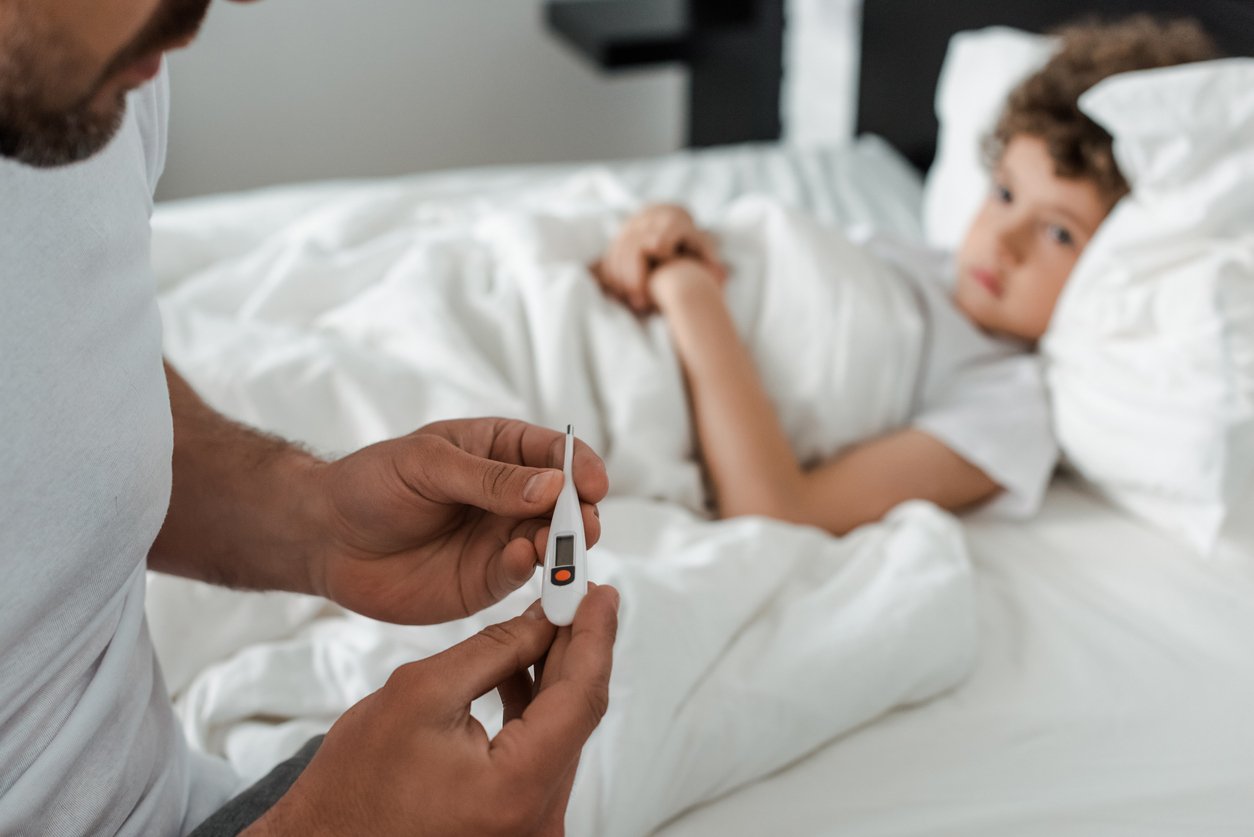
- General Threshold: A common standard is a temperature of 100.4°F (38°C) or higher. This is considered a fever and can be a sign of an infection that might be contagious.
- Policy Variations: Some daycares might have slightly different temperature thresholds or additional criteria, such as the child's overall behavior and symptoms.
- Parental Awareness: Knowing your daycare's specific policy on fever and illness is crucial for understanding when your child will be sent home and when they can return.
When Can a Child Return to Child Care After Being Sick?
- Guidelines for Return: Children can usually return to daycare after they have been fever-free without the use of fever-reducing medications for at least 24 hours. For gastrointestinal issues like vomiting or diarrhea, children should be symptom-free for at least 24 hours. In the case of bacterial infections such as strep throat, children should have completed at least 24 hours of antibiotics before returning.
When is a Cold Severe Enough to Keep a Kid Home?
- Assessing Severity: A mild cold with a runny nose or slight cough, without fever or severe symptoms, might not require a day off. However, if the cold includes high fever, severe cough, or symptoms that disrupt the child's ability to participate in activities, it's best to keep them home. You can always call or schedule an appointment with your child's pediatrician if you are unsure.
Frequently Asked Questions
-
Can a Child Go to Daycare with a Fever? What is Considered a Fever? A fever is generally defined as a body temperature of 100.4°F (38°C) or higher. Most daycares have strict policies against admitting children with a fever, as it often indicates a contagious illness.
-
If My Child Has a Runny Nose and Cough, Can They Still Go to Daycare? If these symptoms are mild, without fever or severe discomfort, your child may still attend daycare. However, if the cough is severe, disrupts sleep, or is accompanied by other symptoms like difficulty breathing, it’s advisable to keep them home.
-
Can a Child Go to Daycare with Diarrhea? Children with diarrhea, especially if it's frequent or severe, should stay home. Diarrhea can be a sign of a contagious illness and also poses a risk of dehydration.
-
Can a Baby Go to Daycare with a Rash (e.g., Diaper Rash)? Mild, non-contagious rashes like diaper rash are usually not a concern. However, if the rash is accompanied by fever, behavioral changes, or is characteristic of a contagious disease, the child should stay home.
Please note that the information provided in this article is intended for general guidance and informational purposes only. It is not a substitute for professional medical advice, diagnosis, or treatment. Always seek the advice of your child's pediatrician or other qualified health provider with any questions or concerns you may have regarding your child's health. Additionally, daycare policies regarding illness and attendance can vary widely, so it is essential to consult with your child's daycare provider to understand their specific rules and guidelines. This article does not intend to override or contradict any daycare policies or professional medical recommendations.


