

Christine Hernandez
Early childhood educator, writer, and mother. Your friendly neighborhood guide to all things parenting.
Creating a positive and structured learning environment in preschool is crucial for early childhood educators. Preschool behavior management involves setting expectations, encouraging positive behaviors, and reducing disruptions, all while supporting children’s social-emotional growth. When teachers have effective behavior management strategies, they’re able to foster a classroom environment that’s conducive to learning, helping young children build foundational skills in self-regulation, empathy, and cooperation.
For educators, managing behaviors in a class of three- to five-year-olds can be challenging due to the boundless energy, curiosity, and learning styles within this age group. However, with the right strategies, teachers can maintain a well-managed classroom that promotes positive growth. Here’s a guide to some effective preschool behavior management tips that educators can implement to create a thriving classroom environment.
What is Preschool Behavior Management?
Preschool behavior management includes a set of strategies designed to encourage positive behavior, support children’s learning, and establish a structured classroom environment. It’s crucial in helping young children understand classroom expectations, supporting their social-emotional development, and creating a safe, enjoyable learning atmosphere.
Why Effective Behavior Management is Important
-
Establishes Clear Expectations
Setting clear guidelines allows children to understand what behavior is acceptable in the classroom. Clear expectations create structure, reduce anxiety, and help children make positive choices. -
Builds the Foundation for Social-Emotional Learning
Children in preschool need guidance on managing emotions, building relationships, and practicing empathy. Effective behavior management fosters these essential skills. -
Supports Learning and Focus
A structured environment free from disruptions enables children to concentrate better and participate fully in classroom activities. -
Provides Tools for Home
Teachers can share their behavior management strategies with families to reinforce learning and consistency at home.
10 Effective Classroom Management Tips for Preschool
-
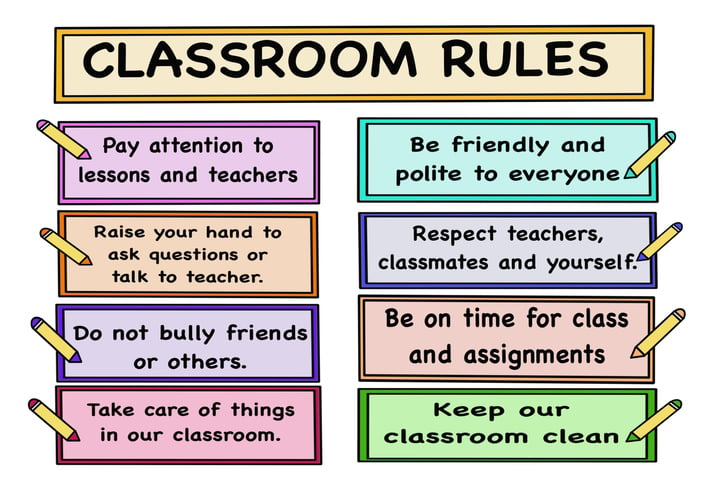
Set Simple, Clear Guidelines
Involve children in creating classroom rules to give them ownership. Keep guidelines simple—"Be safe, be kind, be respectful"—and focus on positive behaviors. Regularly revisit these rules so they become part of the daily routine. -
Be Specific in Expectations
Clear instructions help young children understand what’s expected. For instance, instead of “Don’t run,” say, “We use walking feet in the classroom to stay safe.” Reinforcing specifics helps children learn appropriate behaviors. -
Establish a Routine
Preschoolers thrive on predictability. Start each day by reviewing the schedule, so children know what to expect. A consistent routine fosters security and independence, while tools like a visual schedule can help guide children throughout the day. -
Use Positive Language
Acknowledge good behavior with positive reinforcement. Instead of focusing on negative behaviors, draw attention to positive actions: “Thank you for sharing your toys.” Praise encourages children to repeat these behaviors and builds self-esteem. -
Provide Visual Cues
Visual aids help children remember expectations. Use labeled images to show where materials go, handwashing steps, or lining-up behavior. Visual cues empower children to follow directions independently and reinforce classroom routines. -
Guide Transitions
Transitions can be a challenging time. Use timers, songs, or countdowns to prepare children for a change in activity. This makes transitions smoother and helps children know what to expect next, reducing restlessness and disorder. -
Teach Empathy and Social Skills
Dedicate time to discussing feelings, sharing, and caring for others. Reading books about emotions and modeling behaviors using puppets or role-play can enhance empathy. Empathy helps children build stronger, more positive peer relationships. -
Pay Attention to Triggers
If you notice a pattern of disruptive behavior at certain times, try to identify the trigger. Adjusting the schedule or providing a calming activity can help. Being observant of what may cause a reaction allows you to tailor activities to support all children’s needs. -
Communicate with Families
Involve families in behavior management by discussing strategies they can use at home. Share classroom successes and challenges to create a collaborative approach. Keeping open lines of communication fosters consistency for the child’s learning and behavior. -
Use Behavior Charts Mindfully
Reward systems, like behavior charts, can encourage positive actions, but they should be used sparingly. Over-reliance on rewards may detract from intrinsic motivation. If you use a chart, focus on group goals or occasional reinforcement rather than individual rewards.

Building a Positive Classroom Environment
Effective preschool behavior management isn’t just about managing challenging behaviors but about building a positive classroom culture where children feel respected, safe, and eager to learn. When children feel valued and secure, they are more likely to engage in positive behaviors, be considerate of their peers, and show a readiness to learn.
Creating a balance between structured routines, positive reinforcement, and open communication can transform behavior management from a challenge into a rewarding process. Remember, behavior management is as much about encouraging growth and cooperation as it is about addressing challenges.
By fostering positive habits in early childhood, teachers set the foundation for each child’s lifelong learning and social success.


