

Christine Hernandez
Early childhood educator, writer, and mother. Your friendly neighborhood guide to all things parenting.
Car seat questions are among the most common concerns for parents-to-be as they prepare for their baby’s arrival and create their baby registry. From selecting the safest car seat to understanding expiration dates, it’s essential to be informed so you can make the right choice for your growing family.
In this guide, we’ll explore the top car seat questions asked by parents and break down key topics such as car seat safety, shopping tips, expiration dates, car seat maintenance, and when to transition your baby to a new seat.
Car Seat Safety
What is the safest car seat?
This is probably the most common question parents ask, and the answer may surprise you. All car seats sold in the United States meet the same minimum safety standards. While more expensive models may offer additional features, the safest car seat is the one that fits your child, fits your vehicle, and can be installed correctly each time.
If you’re unsure whether your car seat is installed properly, consider visiting a CPST or Safe Kids event where trained technicians can help ensure the installation is correct.
Shopping for a Car Seat
What is the easiest car seat to install?
This is the number one question parents ask—and the answer might surprise you. All car seats sold in the U.S. must meet the same minimum federal safety standards. While premium models may offer extra features, the safest car seat is the one that:
-
Fits your child
-
Fits your vehicle
-
Can be installed and used correctly every time
If you're unsure about installation, visit a Child Passenger Safety Technician (CPST) or attend a Safe Kids event where trained pros can help ensure everything is correctly set up.
What’s the difference between an infant car seat and a convertible seat?
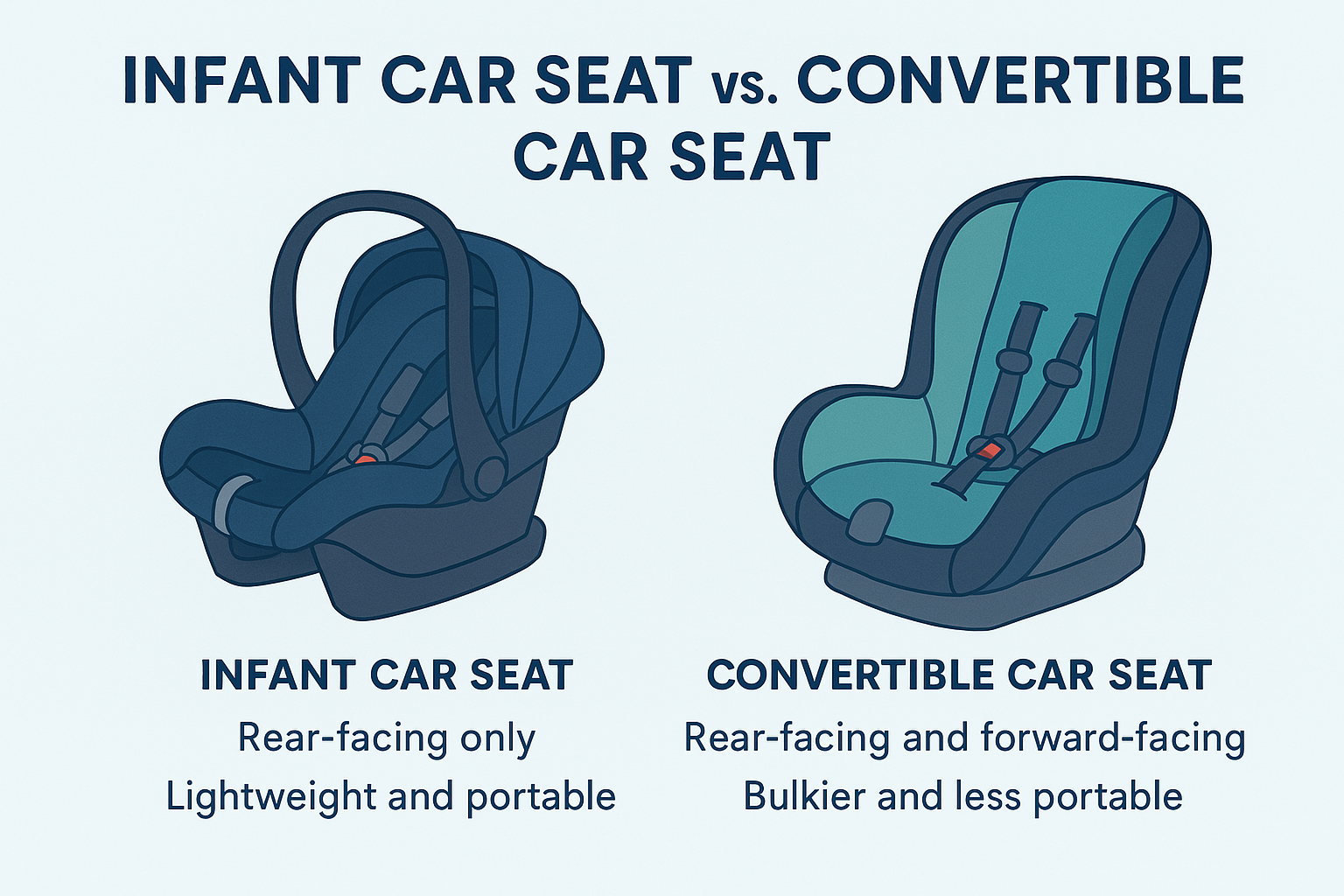
An infant car seat is designed specifically for newborns and is always used in the rear-facing position. These seats are generally lightweight and portable, and many can attach directly to a stroller. A convertible car seat, on the other hand, can transition from rear-facing to forward-facing as your child grows. While they offer long-term use, convertible seats are bulkier and less portable than infant seats.
Should I register for both an infant car seat and a convertible seat?
This depends on your budget and lifestyle. Most parents opt for an infant seat because it’s easier to install and more convenient for use with a stroller. However, if you’re looking to save money, starting with a convertible car seat is a practical option. Keep in mind that you’ll lose the portability feature that comes with an infant seat.
Expirations, Recalls, and Used Car Seats
Do car seats expire?
Yes, all car seats expire. The expiration date is typically listed on the seat itself and ranges from six to ten years, depending on the manufacturer. The expiration ensures that the car seat’s materials and safety features remain intact and effective over time. Check for recalls on the National Highway Traffic Safety Administration website.
How do I know what to do with an expired car seat?
When your car seat expires, make sure to cut the straps, remove any soft goods, and mark the seat with “expired, do not use.” Some stores, such as Target and Walmart, offer car seat trade-in programs where you can recycle your old seat and receive a coupon toward new baby gear.
How should I maintain my car seat?
Regularly check your car seat for any wear and tear, particularly the straps and buckles. Clean the seat according to the manufacturer’s instructions, as using improper cleaning methods could compromise the seat’s safety. Be sure to inspect your car seat for recalls and stay up to date on any manufacturer recommendations.
Frequently Asked Questions
When should I move my baby to a new car seat?
Your child can remain in their infant car seat until they exceed the height or weight limit. Even if your baby hasn’t reached the maximum weight, if they surpass the height requirement, it’s time to transition to a convertible seat. A general rule of thumb is to switch when the top of your child’s head is within an inch of the seat’s shell.
When can a baby face forward in a car seat?
Current research strongly recommends keeping your child rear-facing for as long as possible, up to the seat’s height or weight limit. Rear-facing provides better protection for your baby’s head, neck, and spine during a collision. Most convertible car seats have higher rear-facing weight limits, allowing children to remain rear-facing well into their toddler years.
What's a booster seat and when is my child ready for a booster seat?
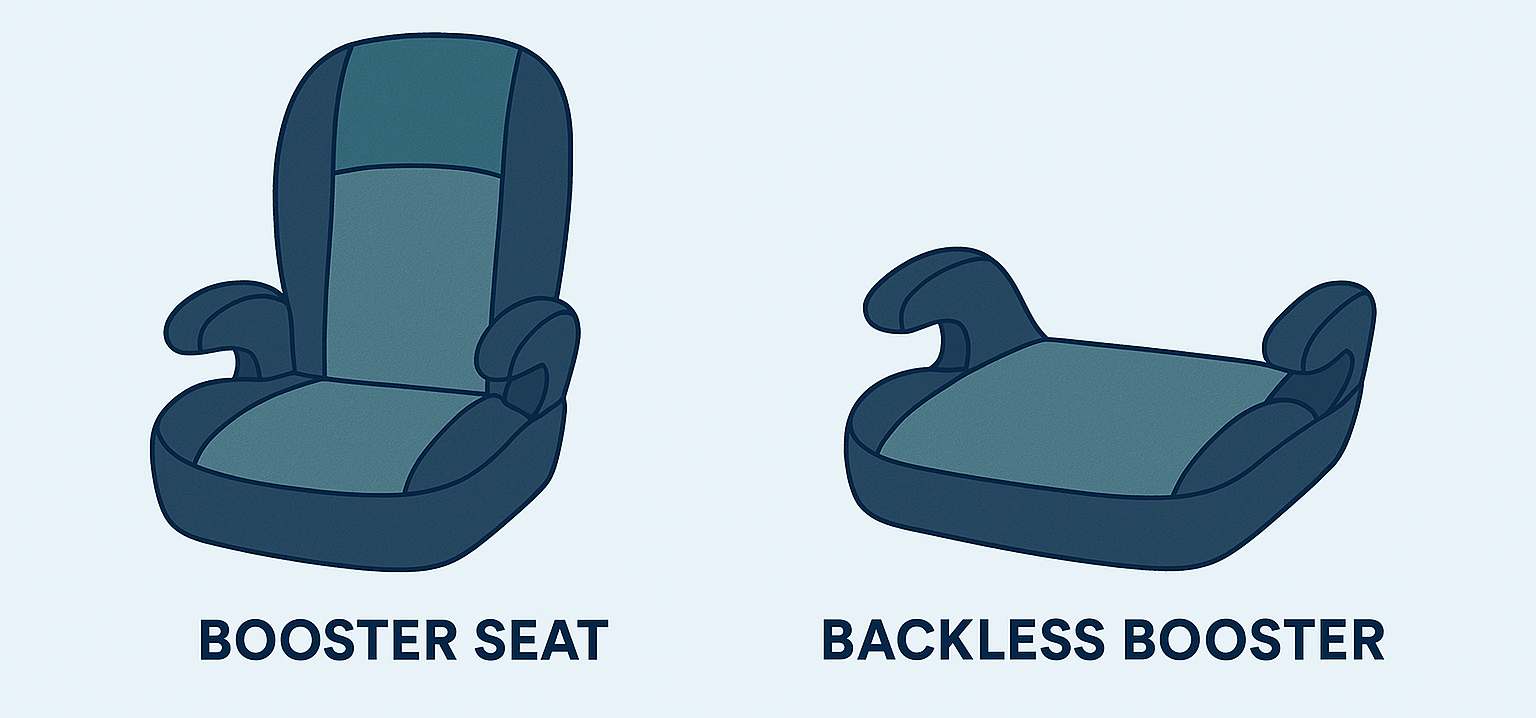
Your child is ready for a booster seat once they’ve outgrown the height or weight limits of their forward-facing harnessed car seat—usually around age 5–7. Boosters position the vehicle’s seat belt properly across your child’s shoulder and lap. Your child should:
-
Be at least 40 pounds (though many experts recommend waiting until 50+ lbs)
-
Sit with their back against the seat and knees bent over the edge
-
Stay seated properly for the entire ride
Booster seats should be used until the seat belt fits properly without one—typically when a child is 4'9" tall and between 8–12 years old.
How can I unbuckle a car seat with long nails?
Unbuckling a car seat can be tricky if you have long nails, but there are a few tips that can help. Instead of using the tips of your nails, try using the pads of your fingers to press the button on the buckle. You can also apply pressure with your knuckles or the side of your thumb to avoid breaking or damaging your nails. If you still find it difficult, consider a car seat buckle release tool, such as the UnbuckleMe, which is specifically designed to help parents (and grandparents) with limited hand strength or long nails safely and easily unbuckle car seats.
How should I position car seats when I have more than one child?
When positioning car seats for multiple children, it’s important to prioritize safety. The center seat in the back is statistically the safest spot in the car, so if possible, place the most vulnerable child (often the infant) in the center. If you’re using two car seats and the center isn’t an option, place the older, forward-facing child behind the driver and the rear-facing infant behind the passenger. This setup allows for better visibility and ease of access when buckling both children.
If you have more than two car seats, follow the vehicle’s manual for the best configuration. Be sure to check that each seat is independently secure and that they don’t interfere with each other.


