

Christine Hernandez
Early childhood educator, writer, and mother. Your friendly neighborhood guide to all things parenting.
A nature-based preschool or Forest School (also known as Forest Kindergarten) combines the classic elements of a preschool program (early academics, social skills and play) with the beauty of nature for a sensory-rich experience for kids. This non-traditional outdoor classroom environment encourages exploration and fosters a love of nature through an emphasis on play, teamwork, and observation. The curriculum is usually rooted in science as it revolves around the seasons, plants, rocks, animals, water and other natural elements.
The preschool years are referred to as a "sensitive period" for brain development, social skills, and physical growth. All of these needs and more can be met through a nature-based preschool program. Spending time outdoors allows children the freedom to explore, learn to take risks, and how to appreciate and care for the environment. It is often said amongst fans of nature-based programs that children "can't bounce off the walls if there are no walls."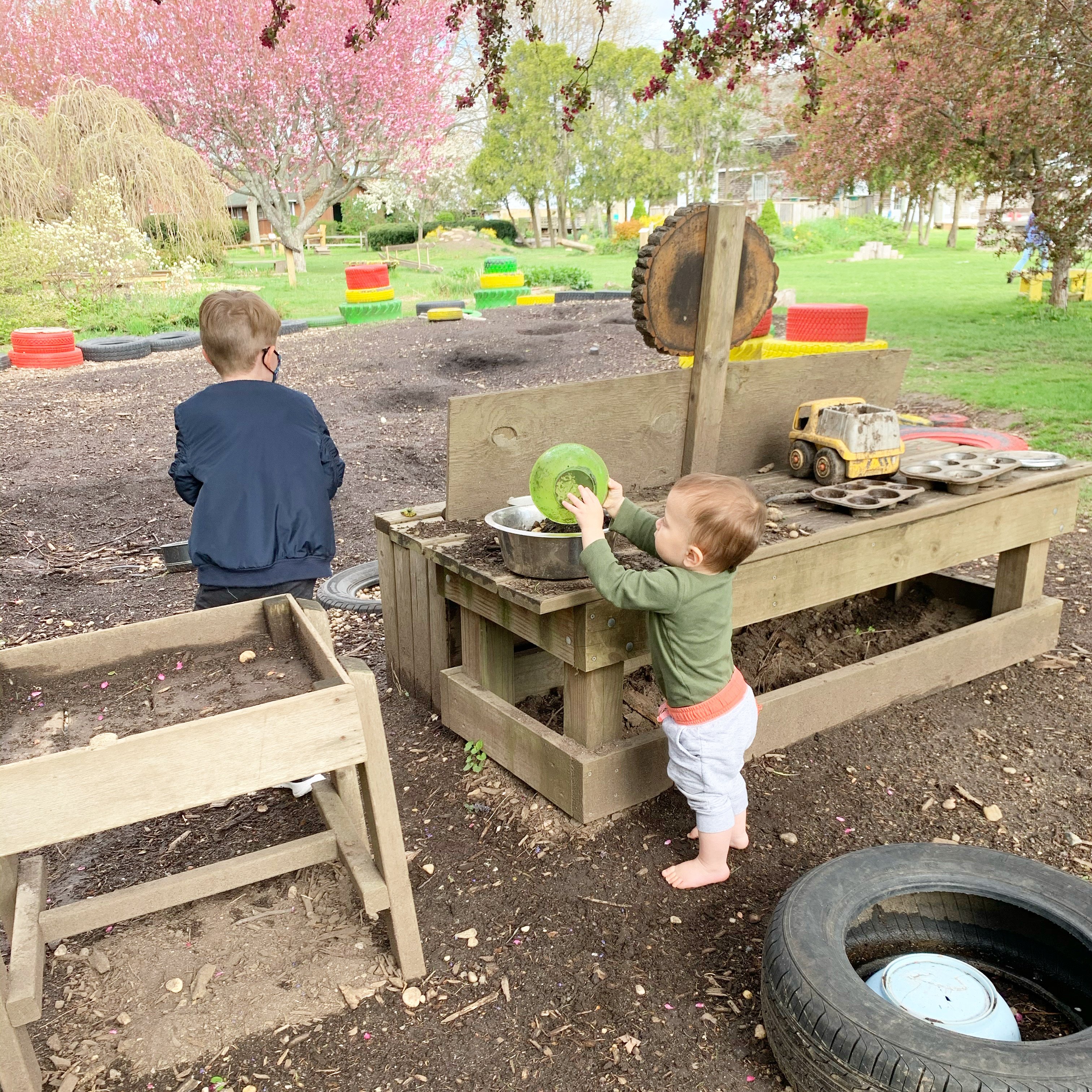
Nature-Based Preschool Curriculum
Curriculum for nature-based early education programs typically include similar activities and experiences children would learn in a traditional classroom, just taught through the lens of nature. Some nature-based preschools keep children outside the majority of the day while others involve shorter outdoor sessions. Children are outdoors in all weather (as long as it's safe) including rain, snow, and wind. A motto used by many nature-based programs is, "there's no bad weather, only bad clothing!"
Educational topics can include, but are not limited to:
- Gardening
- Weather patterns and seasons
- Animal care
- Insects and bees
- Rocks and geology
- Water measurement
- Sensory play with mud and dirt
- Fine and gross motor skill development through outdoor free play
- Sensory experiences
What is the proper attire for an outdoor preschool program?
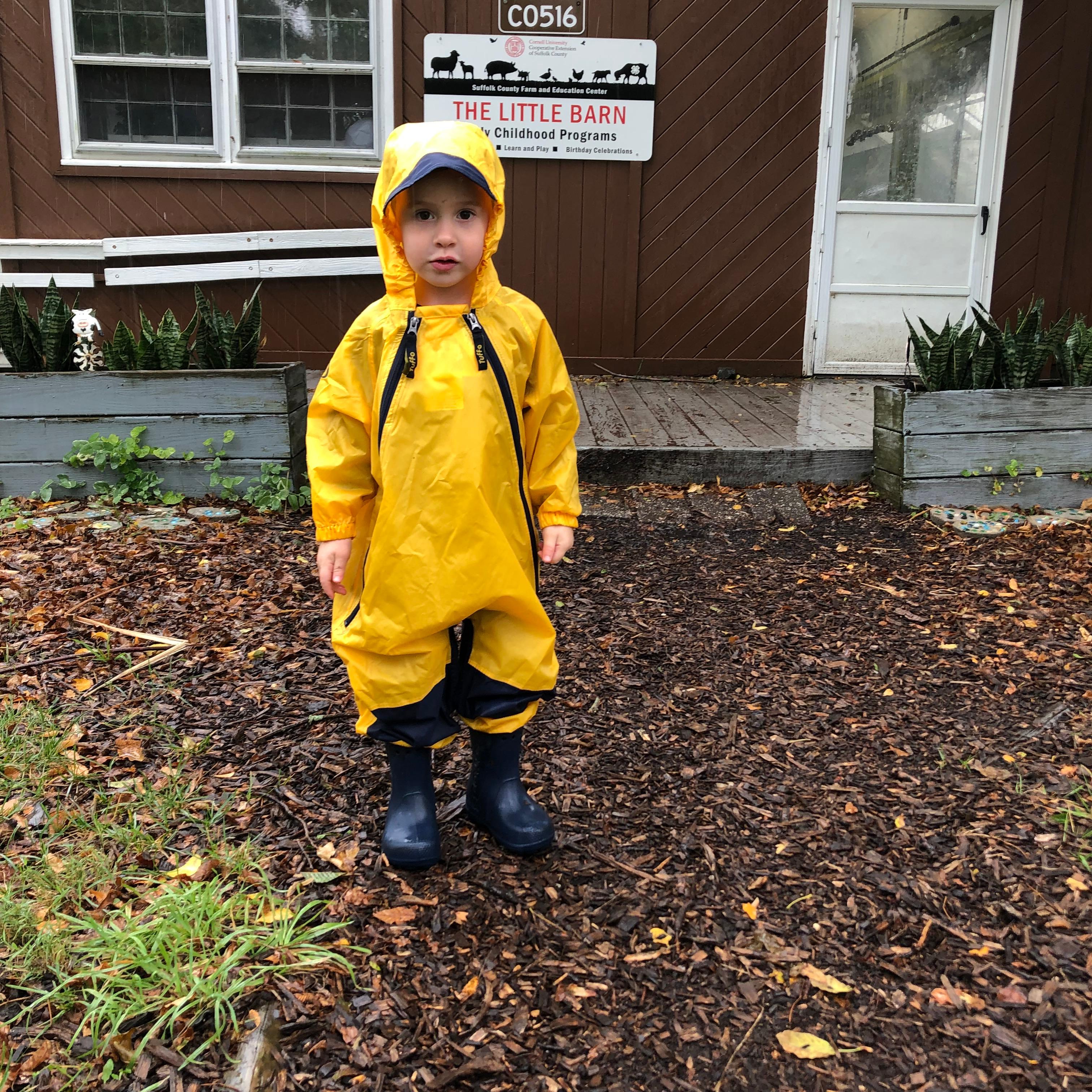
No weather is considered bad when it comes to outdoor schools. However, it is good to keep in mind that your child will spend most, if not all, of their day outside. Therefore, it is wise to invest in the appropriate type of gear to ensure your child stays comfortable in all weather conditions.
Below are some good tips to keep in mind:- Layers are your best friend.
- Synthetic or wool-wicking long underwear are great options to keep your child warm and dry.
- Include a middle layer that consists of fleece or puffy insulation.
- An outer layer provides protection from wind, rain and snow.
- Other suggested gear may include: boots, rain and snow gear, mittens, neck warmers and waders. Do not forget to always send your nature explorer to school with one or two changes of clothes because they will get dirty. Very dirty.
Who might benefit from a nature-based preschool program?
Although every child could benefit from an outdoor educational experience, children who struggle with attention or have sensory integration challenges often thrive in an outdoor environment. In an outdoor program, children have freedom of movement and spend a lot of the day running, jumping and climbing. For children who have trouble sitting still, a nature-based preschool allows their body to get the movement it needs to regulate itself more fully.
Children in outdoor preschool programs learn how to safely manage risk, by climbing trees or playing with sticks- things that may be off limits in a more traditional school environment. There is an emphasis on collaboration and teamwork as children work together to build and co-create using natural, found materials.
Spending lots of time outdoors also has concrete health benefits for children including an increase in Vitamin-D, exposure to the good bacteria found in dirt and mud that children today often miss out on and can even help with sleep. Exposure to sunlight while outdoors helps regulate the circadian rhythm and all that running around can help children burn off extra energy and (hopefully) sleep more soundly.
Using a Nature-Based Approach when Homeschooling
While nature-based preschools are growing in popularity around the country, they are not always easily accessible in all geographic areas. There are many resources available to parents who are homeschooling or thinking about homeschooling based on the principles of a nature-based curriculum. There are lots of free guides and blogs available that provide ideas for activities and experiences. If you do not have time to build your own curriculum, we've rounded up some options that can help:
- Chickie & Roo has beautifully illustrated lesson plans offering state by state nature guides, lunar logs, flower of the month club, nature inspired alphabet cards, math and language activities with a nature twist, and a free nature journal for download.
- The Little Oak Learning offers fun, seasonal lesson plans based on the hemisphere in which one lives. The plans are easily downloadable for immediate use. Each season of lessons comes with all the material needed to get started with a nature-based curriculum including learning guides, nature walk ideas, songs and finger puppets, craft activities, and recipe cards.
- Exploring Nature With Children is a downloadable PDF book that can get your child exploring nature in their home-based setting. It offers a year long curriculum with ideas for nature walks, a themed book list, poems, nature related art inspiration, science lessons, and more.
What's the difference between Forest School and a nature-based program?
There really isn't much of a difference between Forest School and an outdoor preschool program aside from the name and where it is held. Forest School is one type of outdoor program, typically held in the forest or other woodland area where a nature-based program could be located on a farm, at a park or even in a provider's backyard. Typically, a Forest School is held entirely outside, while a nature-based or other outdoor program could also include an indoor component. The Forest School movement first became popular in the UK and other parts of Europe, but has gained momentum in the United States as well.
A nature-based approach could be the remedy for many issues today's children face including excessive screen time, childhood obesity, stress and anxiety, and not enough time outdoors. For additional resources on outdoor education, visit Winnie, a marketplace for childcare, to locate nature-based preschools in your area.


