
-1.jpg?height=100&name=Image%20from%20iOS%20(2)-1.jpg)
Winnie
The Reggio Emilia approach to early childhood education is an educational perspective that focuses on learning through exploration, discovery, and play. The emergent curriculum is child-centered and promotes experiential learning. Reggio Emilia is a philosophy; therefore, there is no accreditation process. It is simply a guide for teachers to follow to create a curriculum for students based on their individual interests. This approach to learning supports the belief that children learn from the environment, and it encourages their inquisitive nature through exploration, discovery, and individual curiosity.
History of the Reggio Emilia approach
This style of learning dates back to the time following World War II. Loris Malaguzzi -- teacher, director, psychologist -- was inspired by a number of self-managed education centers run by the Italian Women’s Union in Reggio Emilia, Italy. In the 1960’s, his theories were put to practice in Summer camps, where focus was placed on children’s motor skills and language of expression. The first municipal preschool, Robinson Preschool, was founded in 1963 in Reggio Emilia. By 1971, the first infant-toddler center was opened. The decade of the 1970’s brought about the majority of Reggio Emilia’s municipal preschools. American interest in this unique educational approach came about in 1987.
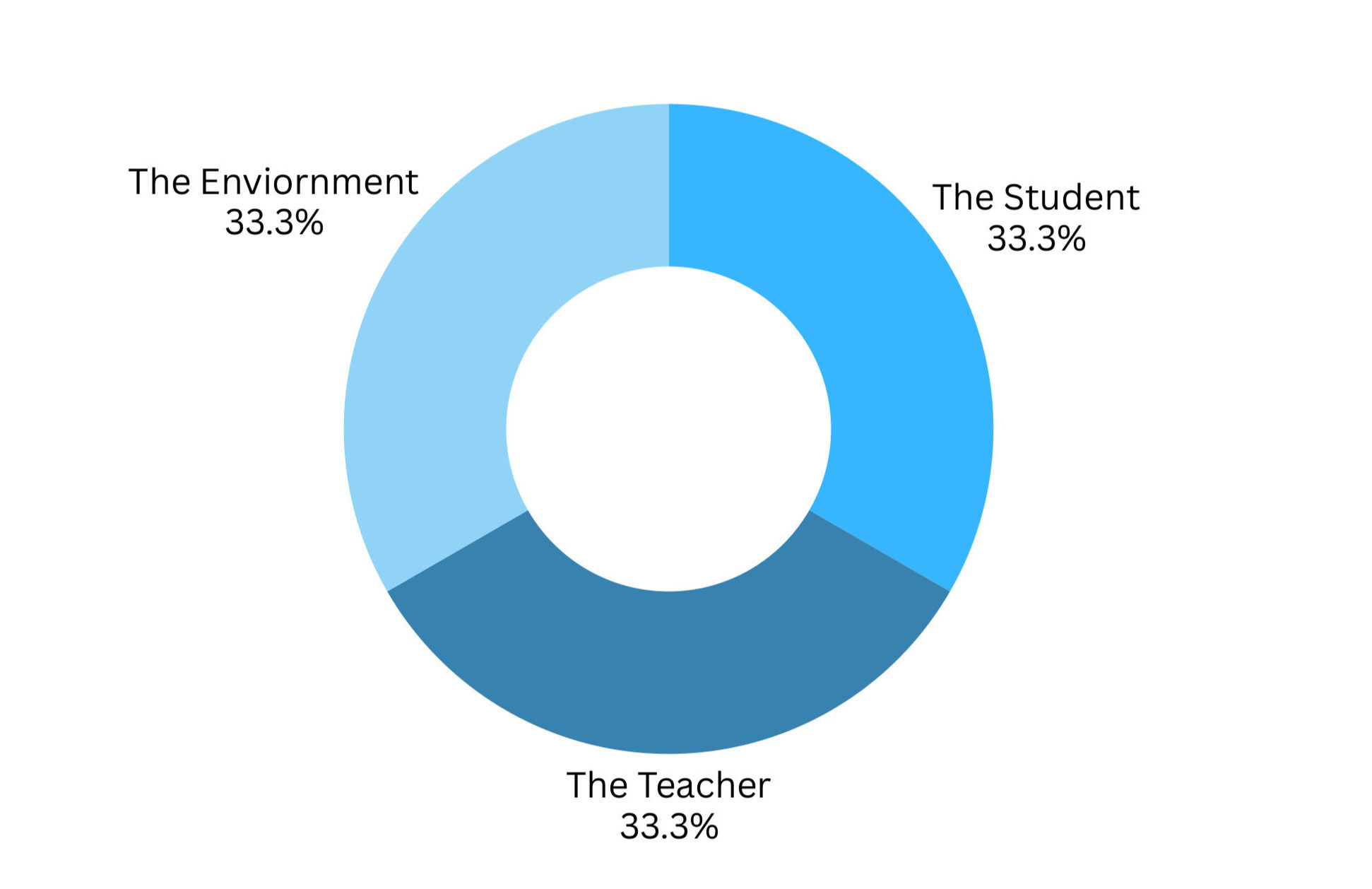
Three core principles that make up the Reggio Emilia approach
The Student
Children are encouraged to learn at their own pace within their environment. They have the ability to control the direction of their educational process. Hands-on exploration, listening, observing, and discovering enhance the learning experience. The concept of the “100 languages of children” explains that children have unique and various ways of expressing information. Different avenues for thinking are demonstrated through imagination, free and role play, thinking, exploring, and speaking. Interactive activities such as building, drawing, and sculpting aid in lifelong learning.
The Teacher
The role of the teacher is to encourage each child’s learning through exploration, experimentation, and problem solving. Rather than using a standard teaching curriculum, facilitating activities based on the child’s interests is adopted through observation and collaboration. Teachers actively engage with the children to encourage critical thinking, inquisition, and effective communication. A flexible curriculum is a key segment of the Reggio Emilia philosophy, as the learning process is constantly evolving. Activities and projects are built around the behavior of the child and her findings through curiosity and research. Teaching within this environment becomes a two-way relationship.
The Environment
The environment is considered to be the third teacher under the Reggio Emilia approach to learning. Children are allowed to explore their surroundings and learn through play. Emphasis is also placed on building and sustaining relationships, so the teacher and peers are part of the learning and collaboration process. The outdoor play area is considered an extension of learning and is just as important as the indoor classroom where children should be allowed to easily transition between the two.
In what ways does the Reggio Emilia philosophy stand out?
- The Reggio Emilia approach is not based on formal learning. This style of education promotes lifelong learning and collaboration with others to achieve knowledge.
- Children are encouraged to gather knowledge and learn by actively participating and questioning their surroundings. They take on the role of researcher, observer, and tester to gain an understanding of various concepts and situations.
- Children engage as part of a community fostering social development and exposing them to various ways of thinking through drama, music and movement, poetry, culture, and art. Creative thinking and problem solving skills are encouraged through real life scenarios and opportunities.
- Children are respected and taught that their input matters. Teachers are present as co-learners and follow the guidance of the child to capture the most effective learning methods.
Overall, the Reggio Emilia approach to early childhood education promotes interactive experiences with an emphasis on collaboration and experiential learning. Children are viewed as competent and capable learners in their environment. Visit Winnie to find Reggio Emilia preschools near you.


