

Tia Sauls
Tia Sauls is an early education specialist who helps families and educators navigate the child care, early education, and K–12 landscapes.
As autumn leaves begin to fall, parents and caregivers can turn everyday moments into learning opportunities. From sensory play for infants to nature walks and crafts for preschoolers, these fall-themed ideas support every stage of development while celebrating the beauty of the season.
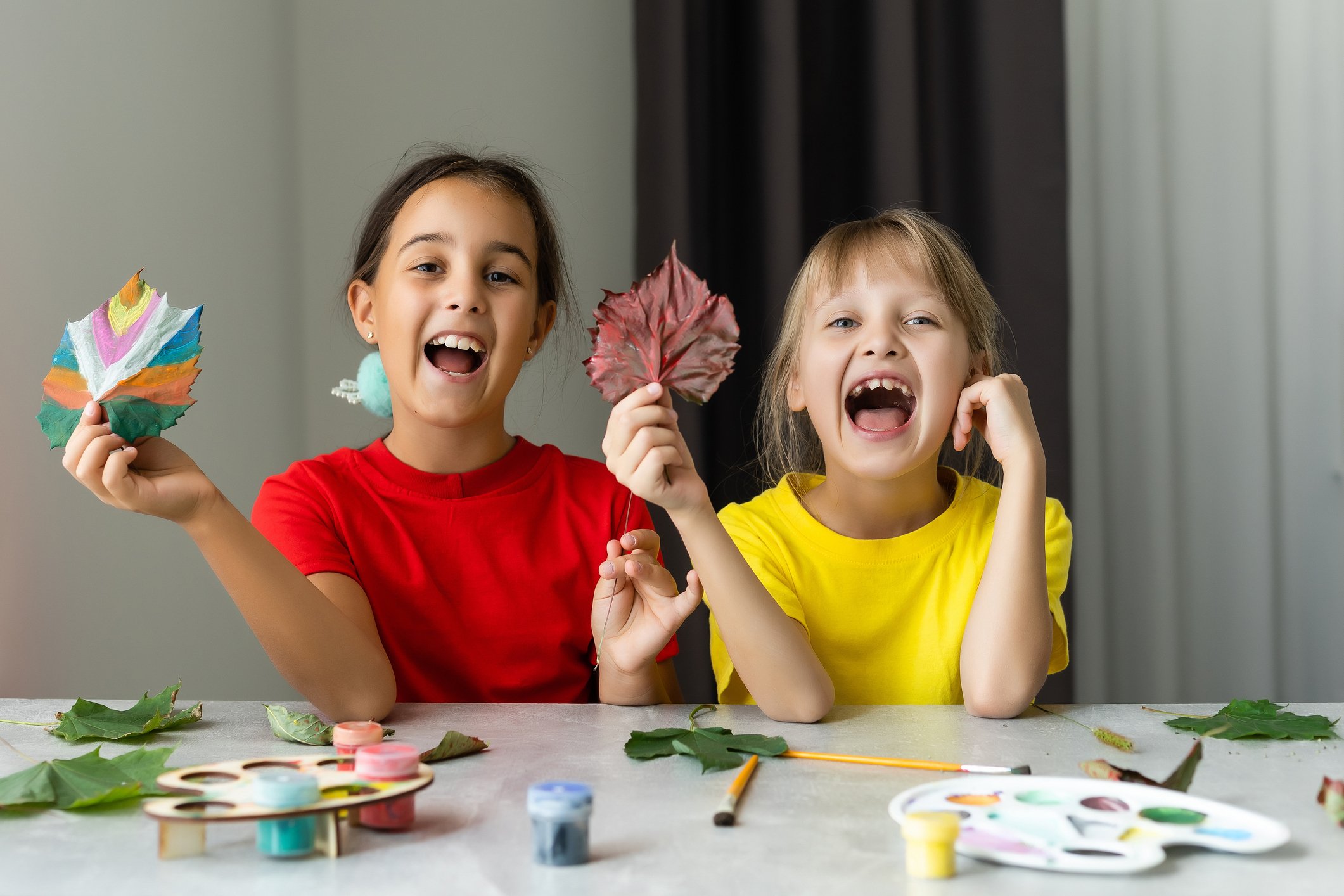
Benefits of Fall Activities for Kids
Engaging in fall activities for kids offers both fun and developmental benefits. Seasonal play helps children explore their environment, strengthen fine and gross motor skills, and build early social and emotional skills. Parents and caregivers can use the magic of autumn to inspire curiosity, creativity, and connection in daily routines.
Fall is the perfect season for hands-on exploration. Cooler temperatures, colorful leaves, and seasonal changes naturally inspire curiosity and creativity in young children. Incorporating autumn-themed play supports sensory development, fine and gross motor skills, and language growth, all while strengthening parent-child connections.
Fall Activities for Infants (0 - 12 Months)
Fall sensory play is especially beneficial for infants, as it supports early brain development through touch, sight, and sound. Simple seasonal experiences, like watching leaves flutter or feeling different textures, can strengthen neural connections and enhance bonding between caregiver and baby. These activities lay the foundation for curiosity and sensory awareness that continue to grow throughout childhood.
1. Fall Scarf Peek-a-Boo
What you need: Soft, breathable scarves in autumn colors
How to play: Hold the scarf loosely and play peek-a-boo, revealing your face slowly so your baby can track the motion. This simple activity encourages visual focus and builds early social interaction.
Learning outcome: Improves visual tracking and strengthens emotional connection.
2. Fall-Themed Story Time
What you need: Fall-inspired board books and a cozy blanket
How to play: Read books featuring pumpkins, falling leaves, or animals preparing for winter. Encourage your baby to touch textured pages for a rich sensory experience.
Tip: You can browse age-appropriate books through your local library or early learning centers.
Learning outcome: Encourages early language development and sensory exploration.
3. Tummy Time in Autumn Colors
What you need: A soft mat or blanket in warm fall hues and a few plush toys
How to play: Place toys shaped like leaves or pumpkins within reach during tummy time. This promotes motor skills and keeps babies engaged in seasonal exploration.
Learning outcome: Strengthens core muscles and hand-eye coordination.
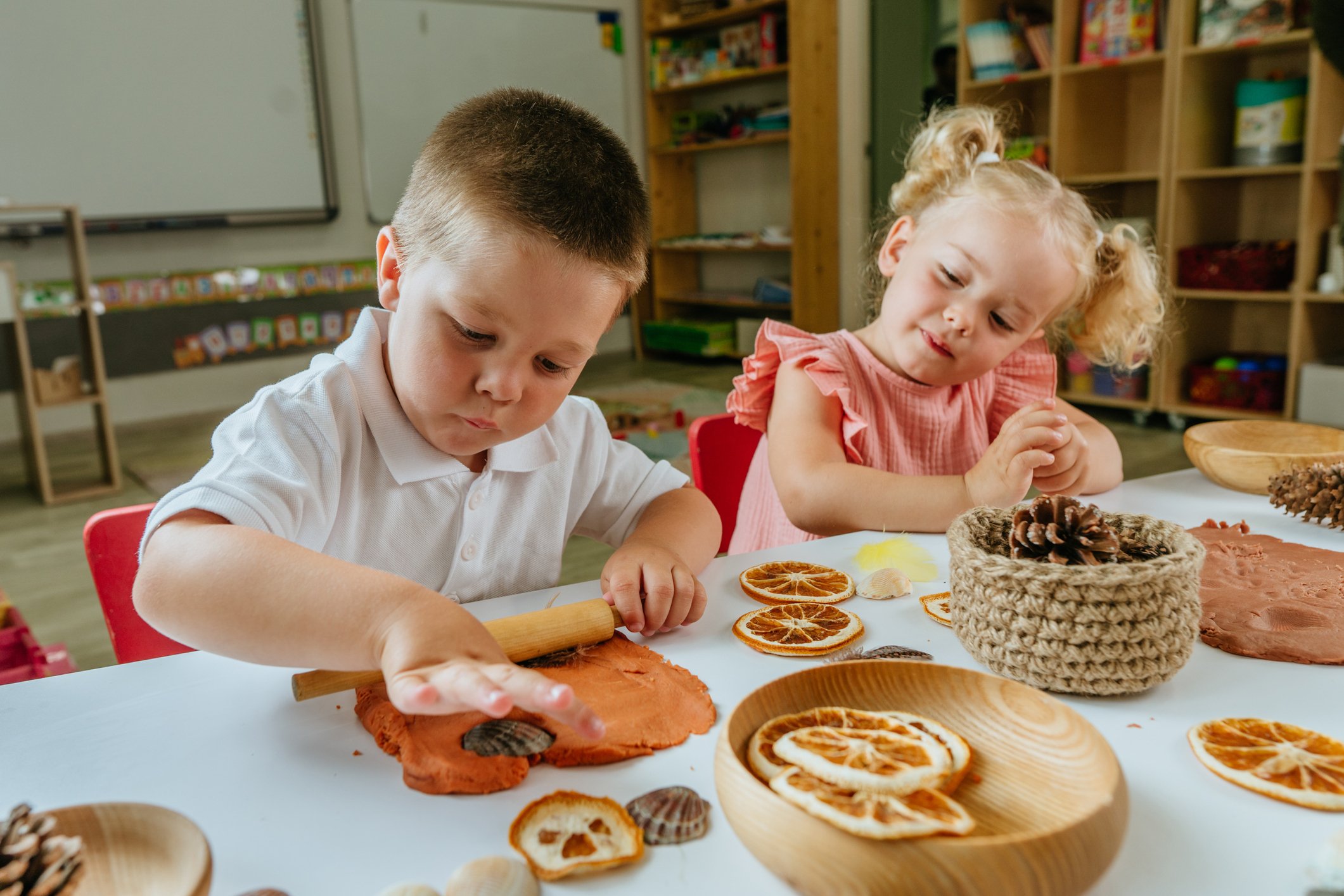
Fall Activities for Toddlers (1–3 Years)
Toddlers learn best through active exploration and hands-on play. During the fall season, these activities help strengthen coordination, fine-motor control, and sensory awareness. Encouraging independence and discovery through themed crafts and games makes learning both engaging and memorable.
1. Leaf Rubbing Art
What you need: Real leaves, paper, and crayons
How to play: Place a leaf under a sheet of paper and help your toddler rub over it with crayons to reveal its texture and shape. Discuss colors and patterns as they appear.
Learning outcome: Builds fine motor control and introduces early science concepts like texture and pattern recognition.
2. Pumpkin Bowling
What you need: Small pumpkins and empty plastic bottles or pins
How to play: Arrange the bottles like bowling pins. Have your toddler roll a pumpkin to knock them down. This builds coordination, balance, and focus.
Learning outcome: Strengthens gross motor skills and hand-eye coordination.
3. Sensory Pumpkin Exploration
What you need: A small pumpkin, scoops, spoons, and a tray
How to play: Cut open the pumpkin and let your toddler scoop, squish, and count the seeds. Sensory play like this promotes curiosity and early math concepts.
Learning outcome: Enhances sensory exploration and introduces counting.
Fall Activities for Preschoolers (3–5 Years)
At the preschool stage, children are eager to express creativity and test their independence. Fall activities for kids in this age group provide opportunities to explore seasonal changes while developing early academic and social skills. These playful projects help prepare preschoolers for kindergarten by building focus, collaboration, and confidence.
1. Nature Walk & Fall Scavenger Hunt
What you need: A small basket or bag and a list of fall items (acorns, pinecones, red leaves)
How to play: Explore a nearby park or trail and collect nature treasures. Talk about textures, colors, and shapes to build observation and vocabulary skills.
Try this: Use your findings to make a nature collage when you return home.
Learning outcome: Develops observation, vocabulary, and critical thinking.
2. Apple Stamping
What you need: Apples (cut in half), non-toxic paint, and paper
How to play: Dip apple halves into paint and stamp them on paper. Create repeating patterns or color combinations, a great way to learn about symmetry and color mixing.
Learning outcome: Builds creativity and introduces basic art and math concepts.
3. DIY Leaf Crown
What you need: Real or paper leaves, tape or glue, and strips of paper
How to play: Help your preschooler decorate a paper band with leaves to create a festive fall crown. Encourage creativity and fine-motor skills as they design their masterpiece.
Learning outcome: Encourages artistic expression and supports fine motor coordination.
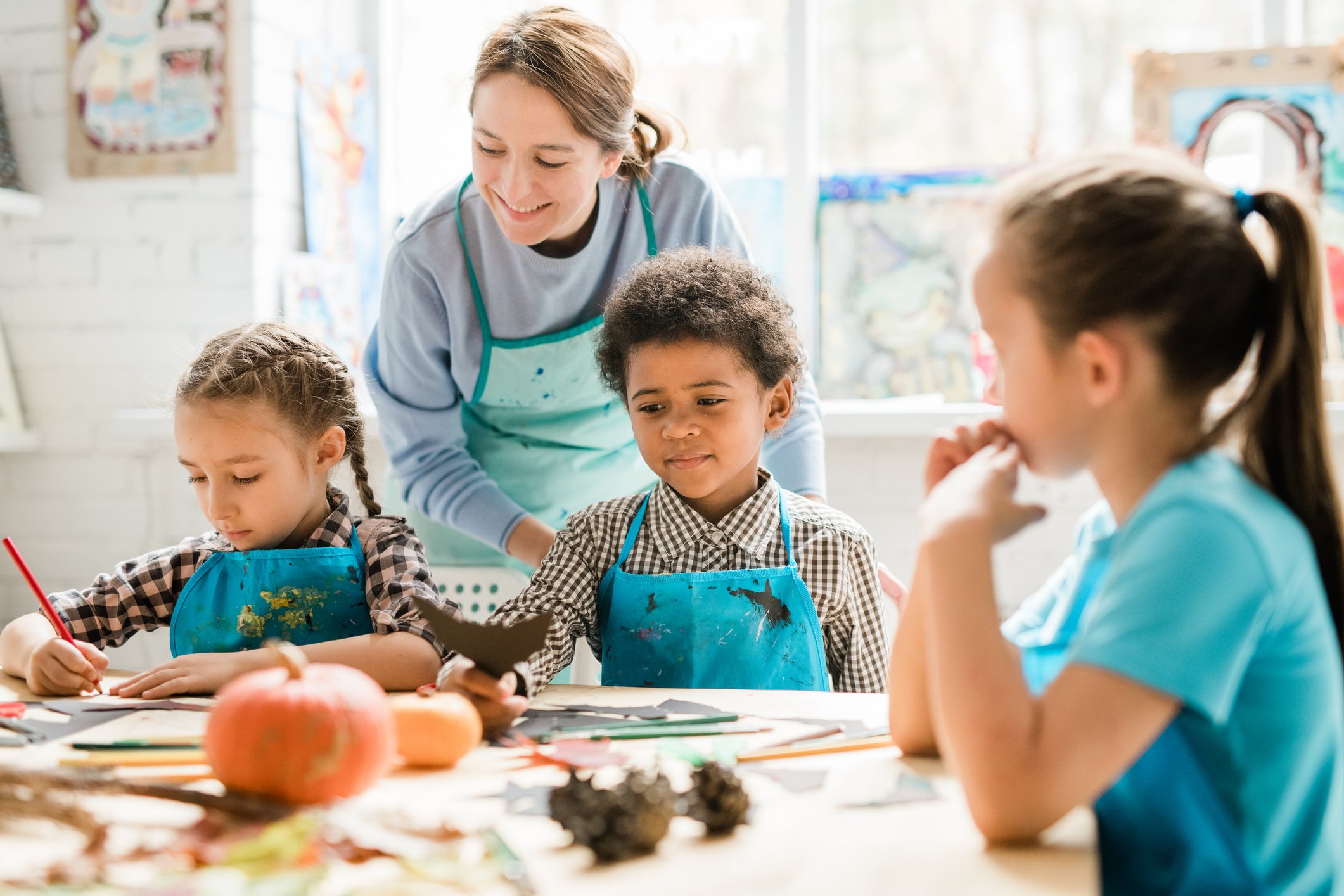
Educational Fall Activities at Home
These seasonal learning extensions can help you make the most of every autumn moment. By blending creativity with early education goals, parents and caregivers can turn simple outdoor walks or at-home crafts into opportunities for growth and bonding. Encourage curiosity, communication, and fine-motor development while celebrating the natural changes of the season.
- Talk about changes in nature. Discuss why leaves change color or why animals collect food.
- Introduce counting and sorting. Count acorns, sort leaves by color or size.
- Use sensory vocabulary. Encourage words like crunchy, smooth, cold, or soft to expand descriptive language.
- Connect activities to daily routines. During snack time, talk about seasonal foods like apples, pumpkins, and squash.
Family Fall Activities to Try Together
Looking for ways to include everyone? These family-friendly fall activities are perfect for mixed-age groups and help create lasting memories.
- Go on a weekend hike and collect natural items to craft with later.
- Visit a pumpkin patch or apple orchard and talk about where food comes from.
- Host a backyard leaf art day with paints and paper for everyone to join.
Final Thoughts
Fall brings countless opportunities to nurture young minds through hands-on discovery. Whether reading under a blanket, collecting colorful leaves, or creating crafts from nature’s palette, these activities encourage imagination, connection, and growth.
Additional Resources
Explore related guides to enhance your fall learning journey:
- What Is Universal Pre-K
- Is Preschool Mandatory
- Benefits of Outdoor Play
- The Top Five Benefits of Preschool
- How to Choose the Right Daycare
You can explore licensed care programs that offer seasonal learning and nature-based play on Winnie. For more outdoor learning inspiration, check out the National Association for the Education of Young Children (NAEYC) for expert-backed activity ideas.
FAQs
1. How do fall activities support child development?
Autumn crafts and sensory play support fine-motor skills, creativity, and language development while fostering curiosity about the natural world.
2. What are safe outdoor fall activities for toddlers?
Simple nature walks, collecting leaves, or helping rake small piles under supervision are safe, engaging options.
3. Can infants participate in fall sensory play?
Yes! Infants benefit from gentle sensory exposure, think soft scarves, textured books, or tummy time with colorful surroundings.
4. What materials are best for fall crafts with preschoolers?
Use natural, non-toxic, and easily handled materials such as real leaves, paper, glue sticks, and washable paints.
5. What are easy fall activities for kids at home?
Try indoor leaf painting, sensory bins filled with pinecones and acorns, or reading fall-themed books together as a cozy afternoon activity.
6. How can I adapt these activities for group settings or classrooms?
Set up rotating activity stations, art, sensory, and movement, to keep children engaged while supporting cooperative play and learning.


