

Christine Hernandez
Early childhood educator, writer, and mother. Your friendly neighborhood guide to all things parenting.
Children's brains are like sponges between the ages of three and five, ready to take in information about the world around them. To maximize this period of rapid development, it is crucial to provide them with opportunities to learn and grow in a structured environment. Although preschool programs may differ in philosophy or curriculum, they all work toward mastering skills that will prepare children for kindergarten and beyond.
Benefits of Preschool for Kids
1. Social-Emotional Development
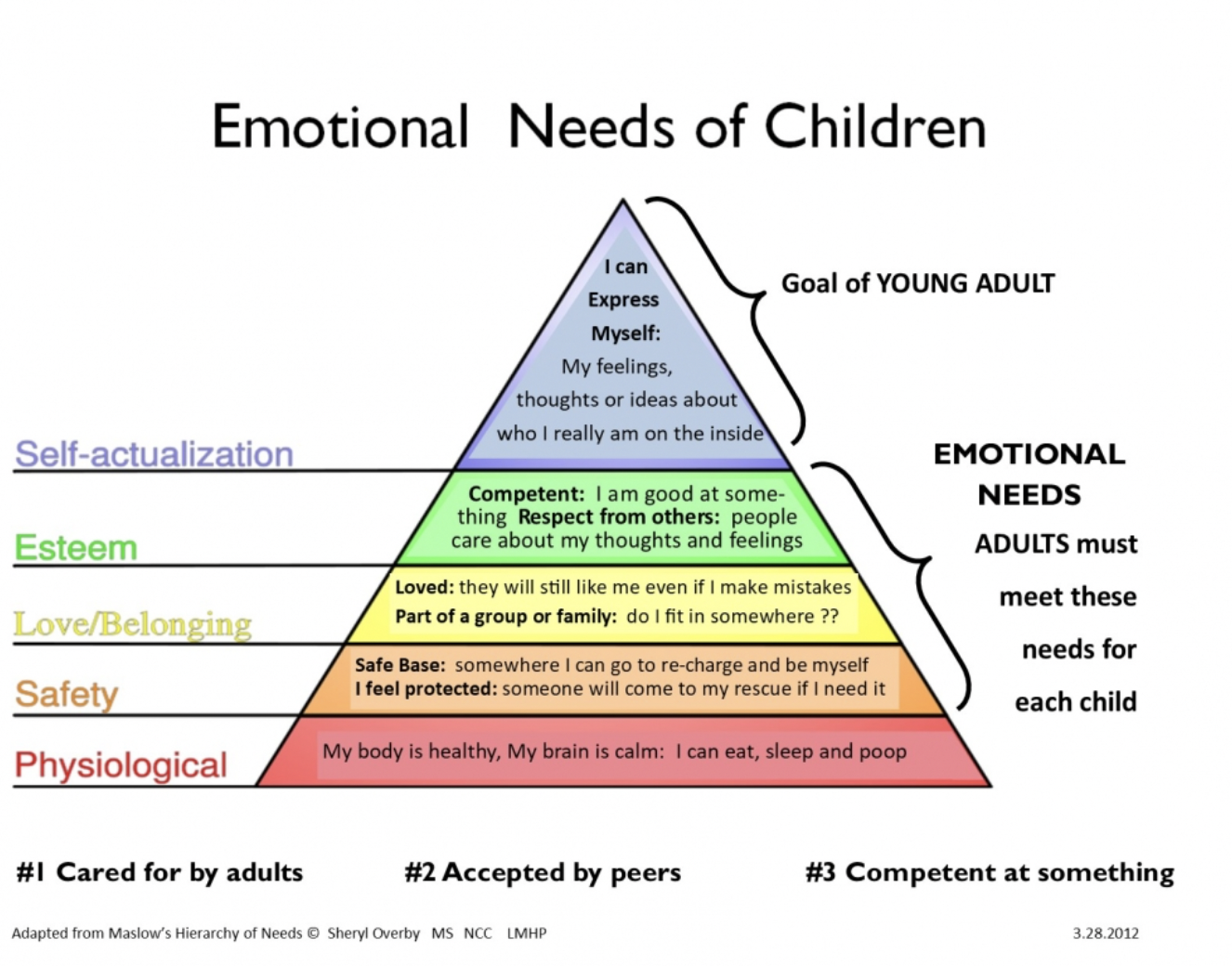
Young children by nature, are very ego-centric. One of the most important aspects of preschool is working on the social skills needed to develop and navigate friendships. Children learn the basics of sharing and turn-taking and more complicated concepts like how to be a productive member of the classroom community. They develop strategies for coping with frustration and how to manage their emotions. So much of infant and toddlerhood is about getting their basic needs met, but preschool is where children begin to develop the higher-level skills needed for future success.
2. Language development
From read-alouds to lunchtime chit-chat, preschool provides many opportunities for language development. In addition to developing spoken language, preschoolers are starting to make the connections necessary to master written language. Classrooms need to be "language-rich" environments where children can develop the necessary skills for reading and writing. Additionally, some preschool programs offer dual-language classes, where children are exposed to more than one language.
3. Independence
In the first few weeks and months of the school year, a lot of time is spent developing routines that foster independence. For example, children may be asked to take off their jackets and backpacks upon entering, hang them up in their cubbies, and "sign in" before getting their day started. Preschool classrooms are set up to allow children to be as independent as possible, with child-sized furniture and accessible materials. Snack and mealtime routines also encourage independence as many preschools provide "family style" meals to allow children to serve themselves.
4. Critical thinking
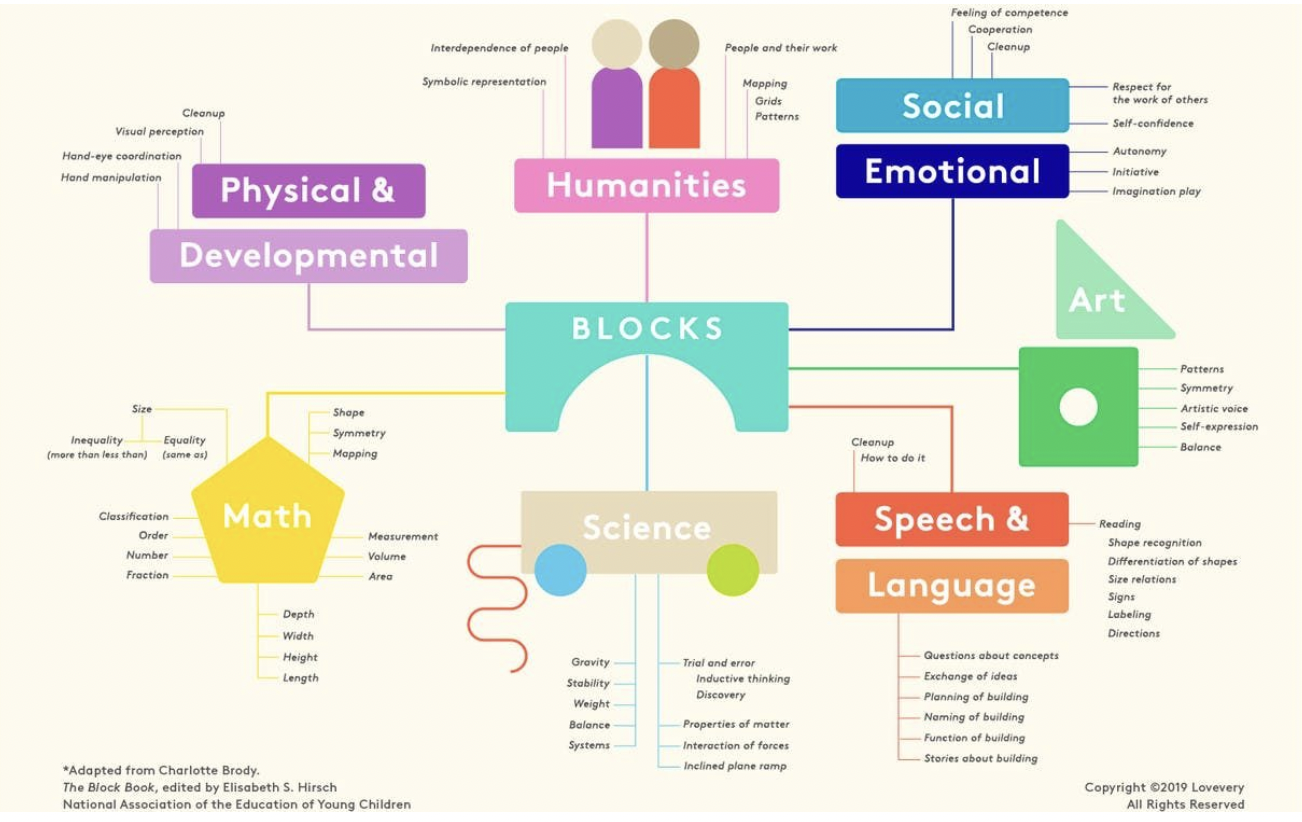
In preschool, learning happens through play and hands-on exploration, helping children develop and refine their critical thinking skills. When building with blocks, for example, children develop theories, test them, and may have to rethink their approach if their building falls down. What looks like "just play" to an outsider is actually a way for children to develop high-order thinking.
5. Kindergarten readiness
From letter sounds to writing their name, preschool helps children develop the foundational pre-reading and writing skills needed for kindergarten. Teachers also work on school-readiness behaviors like "raising a quiet hand," walking in a line, etc. In many ways, kindergarten has become the new first grade, and preschool helps children rise to meet the challenge.
What about Nursery School?
Some parents wonder whether nursery school has the same benefits as preschool. Generally speaking, nursery school and preschool are the same things. The terms are used interchangeably in some regions and the only differences could be the hours or days of the week that the program is offered.


