
-1.jpg?height=100&name=Image%20from%20iOS%20(2)-1.jpg)
Winnie
Lice outbreaks are a common reality in daycare and preschool settings. They’re frustrating, but they’re also manageable, and they are not a reflection of cleanliness or the quality of a program. With clear procedures, calm communication, and evidence-based policies, providers can address lice cases confidently while minimizing disruption for children, families, and staff.
Jump to a Section
Overview
Head lice are tiny insects that live on the scalp and spread mainly through direct head-to-head contact. In daycare and preschool environments, where kids play closely, hug often, and share space, lice outbreaks are common and expected.
One of the most important things providers can do is set the tone early. Lice are manageable and not a sign of an unclean center or home. They show up in programs of all sizes and quality levels.
During an outbreak, a provider’s role is to limit spread, communicate clearly and kindly with families, and keep the program running as smoothly and calmly as possible.
Recognizing and Confirming a Lice Case
Staff Training
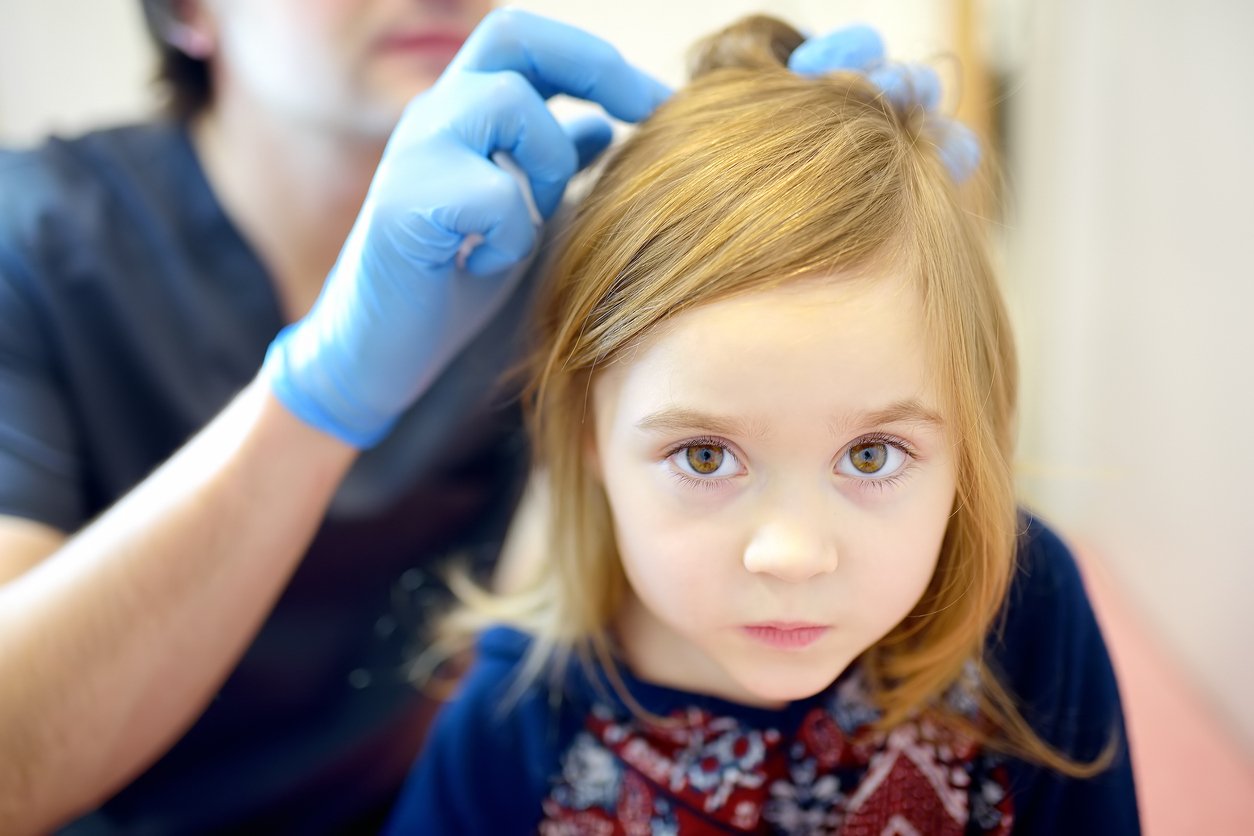
Teachers are often the first to notice something is off. Common signs include frequent scratching, complaints of an itchy scalp, visible nits close to the scalp, or live lice moving through the hair.
Any visual checks should be done discreetly and respectfully, following licensing rules and internal policies. Children should never feel singled out or embarrassed.
Clear documentation matters. Programs should outline how observations are recorded, who is notified, and how follow-up is tracked so staff are not guessing in the moment.
Confirming a Case
Before calling a family, follow your program’s confirmation process. This might include a second trained staff member checking or consulting a health consultant or nurse, if available.
Always align your response with state licensing rules or local health department guidance. Evidence-based early childhood guidance is available through Head Start’s overview of head lice.
Internal Procedures When a Case Is Identified
Immediate Actions
If lice are confirmed, the child should be separated calmly and discreetly while remaining supervised and comfortable. This is not a punishment or emergency, just a practical step to limit close contact.
Notify the family privately and promptly. Keep the conversation factual, supportive, and focused on next steps rather than blame.
Assessing Exposure
Next, consider who may have had direct head-to-head contact. Lice spread through close contact, not through desks, carpets, or general classroom surfaces.
Understanding how lice actually spread helps prevent unnecessary worry, over-notification, and excessive cleaning.
Classroom Hygiene Steps
Cleaning should focus on items that come into contact with hair, such as rest mats, bedding, soft toys, and dress-up clothes. These items can be washed in hot water or sealed temporarily if laundering isn’t possible.
There is no need for deep cleaning of floors, walls, furniture, or playground equipment. Lice do not survive long away from the scalp.
Communication With Parents
Initial Notification to the Affected Family
Telling a family their child has lice can feel uncomfortable, for both sides. Lead with empathy. Clearly explain what was observed, what steps are recommended, and what your return-to-care policy looks like.
Sharing trusted, evidence-based resources helps families know what to do next. The CDC offers clear guidance on caring for children with head lice.
Notification to the Classroom or Entire Program
Families in the affected classroom should be informed in a way that is calm, neutral, and non-alarming. Confidentiality is key.
Sample language: “A case of head lice has been identified in your child’s classroom. Lice are common in group care settings. We recommend that families check their child’s hair and follow treatment guidance if needed.”
Tone and Messaging Best Practices
Avoid language that implies blame or poor hygiene. Emphasize that managing lice is a shared effort between providers and families. Consistency across emails, handouts, and parent apps helps reduce confusion and anxiety.
Policies Providers Should Have in Place
Return-to-Care Criteria
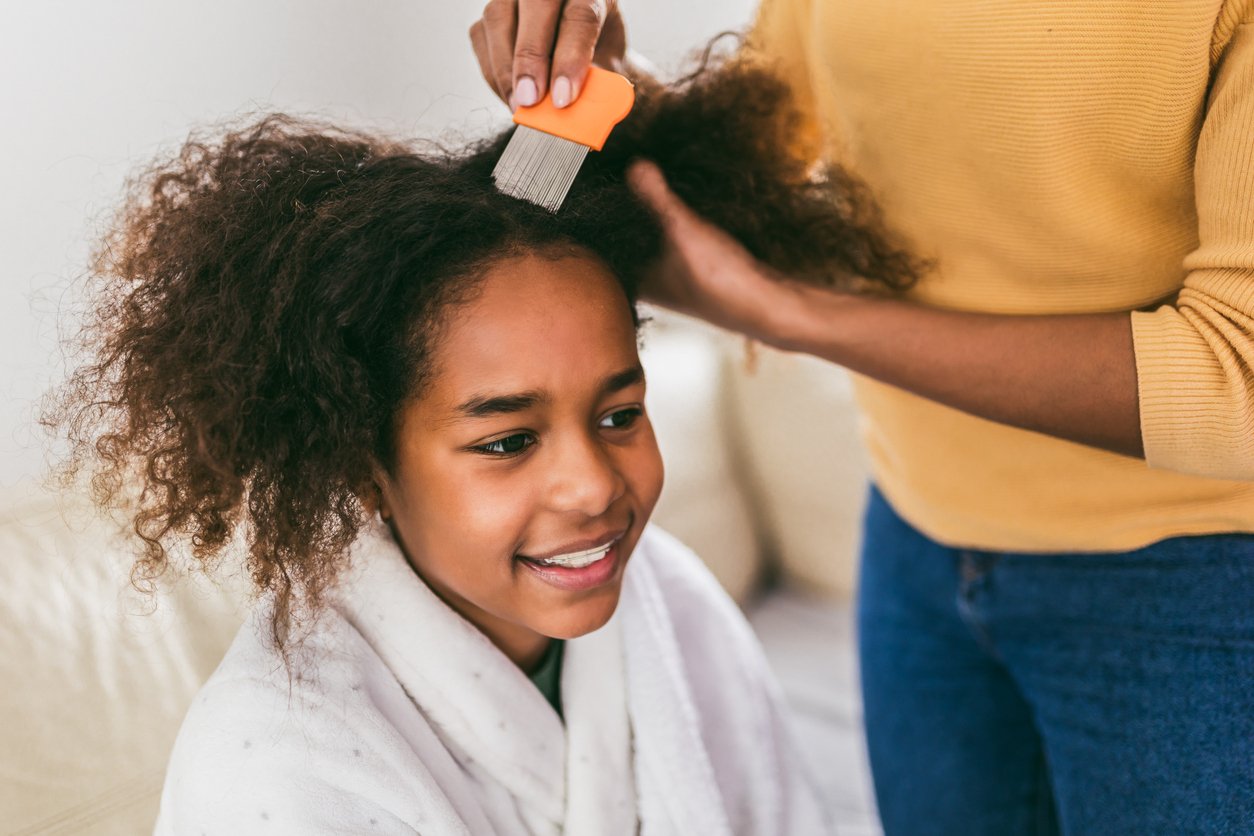
Clear return-to-care policies help everyone know what to expect. Many health organizations support allowing children to return once treatment has started, rather than requiring children to be completely nit-free.
Public health guidance supporting limited exclusion is outlined by the CDC.
It’s also important to consider equity. Some families may face barriers to immediate treatment, transportation, or clinic access.
Exclusion Policies
Children should generally only be sent home when live lice are confirmed. Siblings may need to be checked, but automatic exclusion is not typically recommended.
If exclusion is used, it should be short, clearly explained, and consistently applied.
Recurrence Protocol
If a child returns with lice multiple times, approach the situation with support, not punishment. Document incidents, meet with families to problem-solve, and revisit prevention steps together.
Cleaning and Environmental Procedures
What Needs Cleaning
Items that touch hair, such as rest mats, pillows, soft toys, costumes, and hair accessories, should be cleaned or temporarily removed during an outbreak.
What Does Not Need Cleaning
Floors, furniture, cubbies, and outdoor areas do not require special treatment. Over-cleaning adds stress without reducing spread.
Classroom Practices to Reduce Spread
Limit shared hair accessories, encourage spacing during rest time when possible, and set clear expectations around dress-up clothes and soft items.
Preventative Practices Providers Can Implement
Staff Training and Awareness
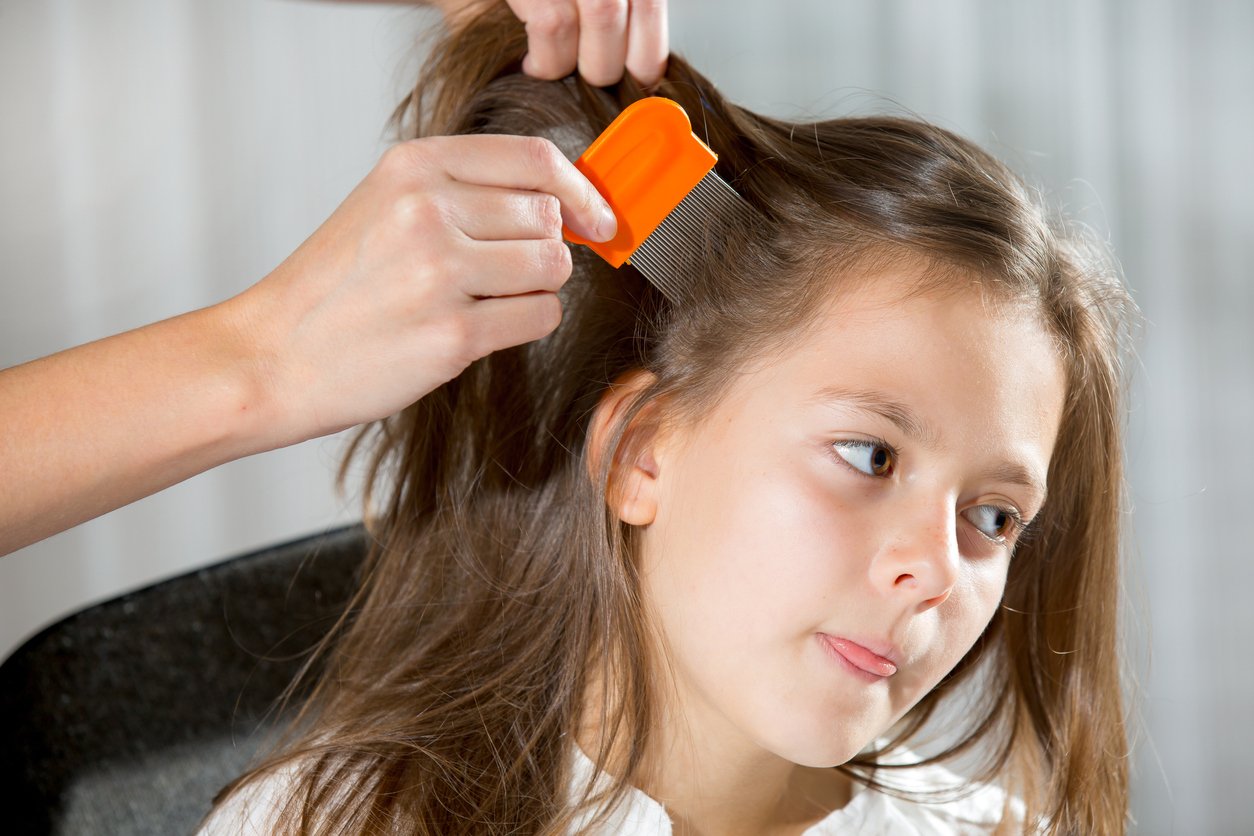
Routine scalp checks should only be done if allowed by licensing. Staff should know what signs to watch for and how to document concerns appropriately.
Parent Education
Sharing simple prevention tips, such as keeping long hair tied back and avoiding shared personal items, can be helpful, especially during an outbreak.
Reducing Stigma
Regularly reinforcing that lice are not related to cleanliness helps keep outbreaks from becoming emotionally charged and protects trust with families.
Working With Health Authorities
Providers should understand when lice cases or outbreaks must be reported based on licensing or local health department requirements. Documentation and communication should align with regulatory guidance.
Templates Providers May Need
Notification Letter to Classroom Families
A short, neutral notice explaining exposure, recommended checks, and reassurance.
Email to the Family of an Affected Child
A private, supportive message outlining what was observed, next steps, and return-to-care expectations.
Follow-Up Reminder for Ongoing Outbreaks
A brief reminder encouraging continued checks and completion of treatment.
Cleaning Checklist for Staff
A simple checklist outlining what to clean, how to clean it, and what does not require action.
FAQs for Providers
Can children attend after the first treatment?
Many programs allow children to return once treatment has started, depending on policy and local guidance.
Should we check every child’s hair?
Routine checks are not always recommended unless required by licensing.
Do we need to close a classroom?
No. Lice outbreaks rarely require classroom closures.
Should soft toys be removed temporarily?
Soft items that come into contact with hair may be removed or cleaned during an outbreak.
How long does an outbreak typically last?
With consistent communication and treatment, most outbreaks resolve within a few weeks.
Additional Resources for Providers
Providers may also find it helpful to reference related Winnie resources that explain group care dynamics and family decision-making:


