
-1.jpg?height=100&name=Image%20from%20iOS%20(2)-1.jpg)
Winnie
A lice outbreak at daycare or preschool can feel overwhelming, but it’s a common and manageable situation. Head lice are not a sign of poor hygiene, and with prompt treatment and clear communication, most children can return to care quickly. This guide walks parents through what to expect, how to treat lice safely, and how to prevent re-infestation.
Jump to a Section
When to Call Your Pediatrician
Emotional Support for Parents and Kids
Overview
Head lice are tiny insects that live on the scalp and spread mainly through direct head-to-head contact. In childcare settings, where kids play closely, hug, and nap near one another, lice outbreaks are common and expected.
It’s important to know that lice are not a sign of poor hygiene or an unclean home or program. They can affect any family and any childcare program, regardless of quality.
When an outbreak occurs, most licensed providers will notify families, share basic guidance, and outline their return-to-care policy. Clear communication and evidence-based steps help minimize disruption for children and caregivers alike. This guide is designed to give parents clear, reassuring information on what a lice outbreak means, what steps to take at home, and when children can safely return to care
First Steps for Parents
Confirming Whether Your Child Has Lice
Common signs of head lice include:
-
Frequent scratching or complaints of an itchy scalp
-
Nits (tiny white or yellowish eggs) close to the scalp, especially behind the ears or at the nape of the neck
-
Live lice moving quickly through the hair
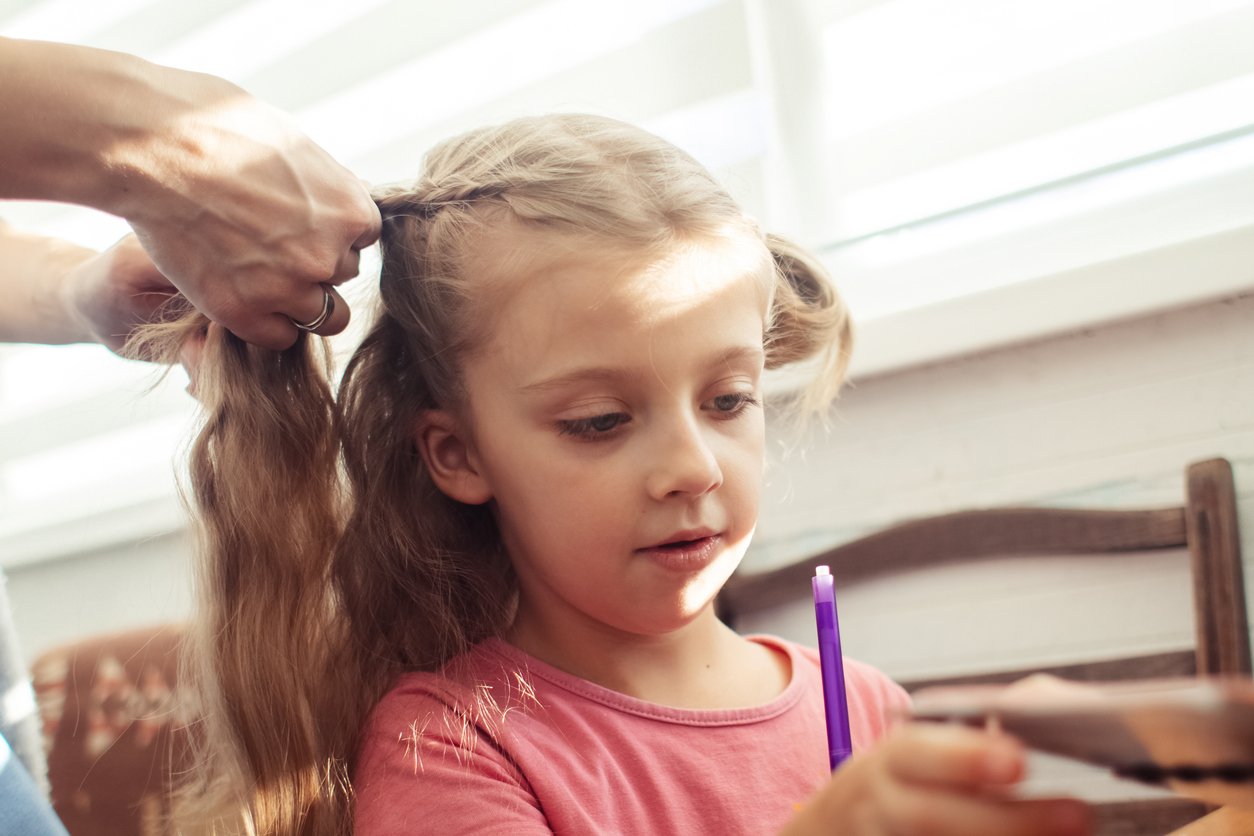
The best time to check is in bright light, with wet or conditioned hair, using a fine-toothed nit comb. Part the hair in small sections and check close to the scalp.
If you’re unsure whether what you’re seeing is lice or dandruff, or if your child has very thick or curly hair, you may want to seek professional confirmation from a pediatrician or a lice-removal clinic.
Notify Your Childcare Provider
If you confirm lice, let your childcare provider know as soon as possible. Timely communication helps protect other children and staff and supports a faster resolution of the outbreak.
Share:
-
When symptoms started or when lice were found
-
Whether siblings or close contacts may also be affected
-
When treatment has begun
Most providers are focused on managing exposure calmly and discreetly, not assigning blame.
Treatment Options
Over-the-Counter Treatments
Many families start with over-the-counter lice treatments, which commonly include products containing permethrin or pyrethrins. These treatments are widely available and often effective when used exactly as directed, based on guidance from public health experts.
Important notes:
-
Most treatments require more than one application, typically 7–9 days apart
-
Always follow age guidelines and safety instructions on the label
-
Avoid using multiple products at the same time unless advised by a healthcare professional
This information is educational only and not medical advice. If you have questions about safety or effectiveness, consult your child’s pediatrician.
Prescription Treatments
In cases where over-the-counter treatments are not effective, a pediatrician may recommend a prescription treatment. These are generally used for persistent infestations or known treatment resistance and should always be used under medical guidance.
Non-Chemical or Low-Chemical Approaches
Some families choose alternatives or supplements to chemical treatments, including:
-
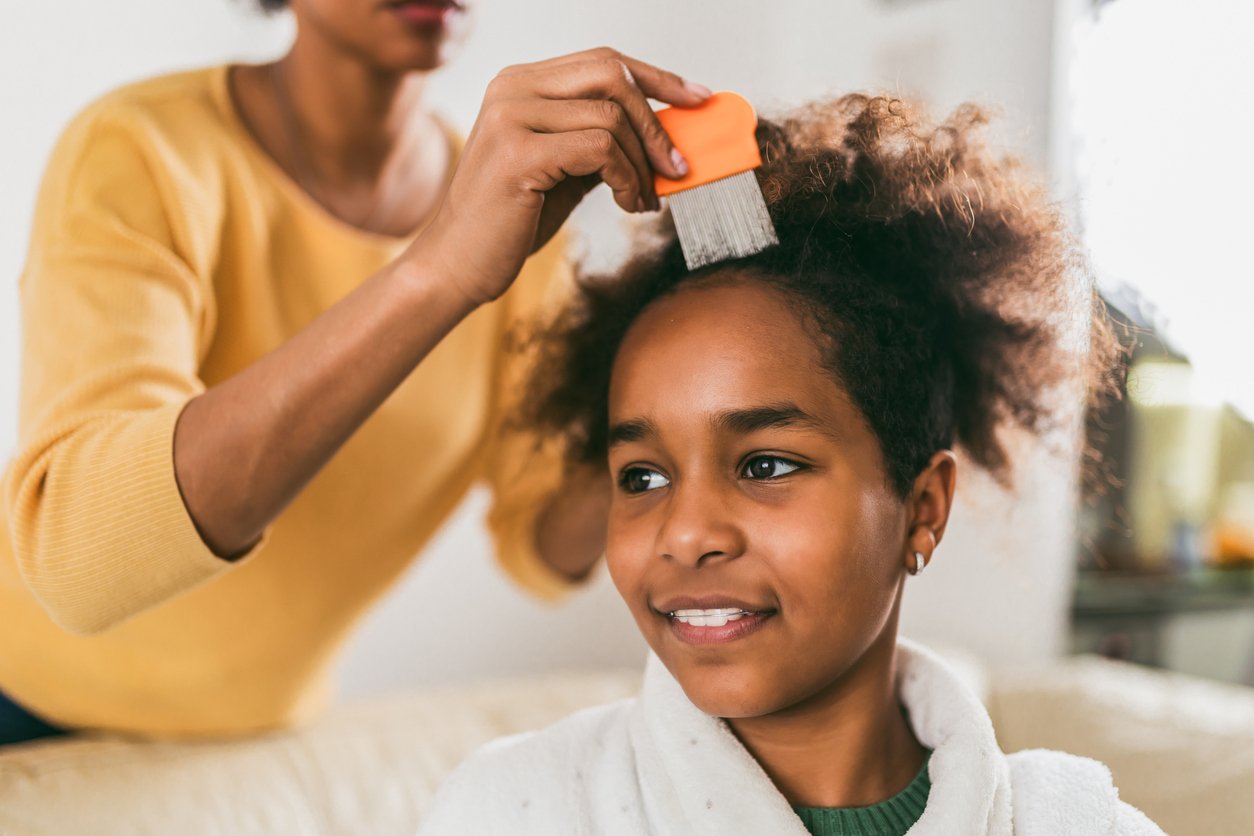
Manual nit combing: Regular, thorough combing with a metal nit comb over several days
-
Professional lice-removal services: Trained technicians who remove lice and nits manually
-
Heat-based treatments: Offered by some clinics; effectiveness varies
If you choose these approaches, consistency and follow-up checks are key.
Cleaning Your Home
What Actually Needs to Be Cleaned
Focus cleaning efforts on items that have had direct contact with your child’s head in the last 24–48 hours:
-
Bedding and pillowcases
-
Hair brushes, combs, and hair accessories
-
Hats, jackets, scarves, and backpacks
What Does Not Need Deep Cleaning
Head lice do not survive long away from the scalp. Medical guidance confirms that floors, furniture, carpets, and playground equipment do not require deep cleaning or chemical sprays. Excessive cleaning does not reduce spread and often adds unnecessary stress.
Laundry and Environmental Tips
-
Wash items in hot water and dry on high heat when possible (steps aligned with evidence-based recommendations)
-
Seal non-washable items in a bag for 1–2 weeks
-
Vacuum soft surfaces like couches or car seats as a precaution
Preventing Re-Infestation
Re-Checking Your Child
After treatment:
-
Check your child’s hair daily for 10–14 days
-
Continue nit removal as needed
-
Complete all recommended follow-up treatments
Talking to Kids About Lice
Preschoolers: Use simple, reassuring language. Explain that bugs sometimes get in hair and grown-ups are helping fix it.
School-age children: Share clear facts and encourage them not to share hats, hair ties, or headphones.
Avoid blame or fear-based language at all ages.
Hairstyles and Products That Can Help
-
Keeping long hair tied back can reduce head-to-head contact
-
Some lice-repellent sprays are marketed to families, but evidence on effectiveness is limited. These should not replace regular checks or recommended treatments.
When to Call Your Pediatrician
Contact your child’s pediatrician if:
-
Lice persist after multiple properly used treatments
-
Your child has a skin reaction or signs of infection
-
Your child is very young or has underlying health concerns
-
You have questions about return-to-school or daycare policies
Emotional Support for Parents and Kids
Lice can bring up feelings of embarrassment or stress, but outbreaks are extremely common in group care settings. Reassure your child that they did nothing wrong.
For parents, it may help to remember:
-
You are not alone, many families deal with lice at some point
-
Most outbreaks resolve within a few weeks with consistent treatment
-
Providers and healthcare professionals are there to support you
Frequently Asked Questions
How contagious are lice?
Lice spread through direct head-to-head contact. They do not spread through casual contact or shared surfaces.
Can lice fly or jump?
No. Lice crawl; they cannot fly or jump.
Do lice spread on playgrounds?
This is unlikely. Lice transmission typically requires prolonged head-to-head contact.
How long until my child can return to childcare?
Many programs allow children to return once treatment has started, in line with public health guidance supported by pediatric experts. Check your provider’s specific policy.
Resources and Support
For evidence-based guidance, families may find these resources helpful:


