

Christine Hernandez
Early childhood educator, writer, and mother. Your friendly neighborhood guide to all things parenting.
With all that is going on in the world right now, it is more important than ever to prioritize healthy habits for the whole family. Between working from home and online schooling, both adults and children are spending more time behind screens and less time interacting with each other and with their environment. Parents are experiencing unprecedented levels of stress and our children are undoubtedly feeling it. Luckily, it’s never too late to prioritize health and wellness, even if you want to start small. By incorporating each of the eight dimensions of wellness into your family life, you can have a positive impact on the health of your children and your family in general.
What Are the Eight Dimensions of Wellness?
Physical
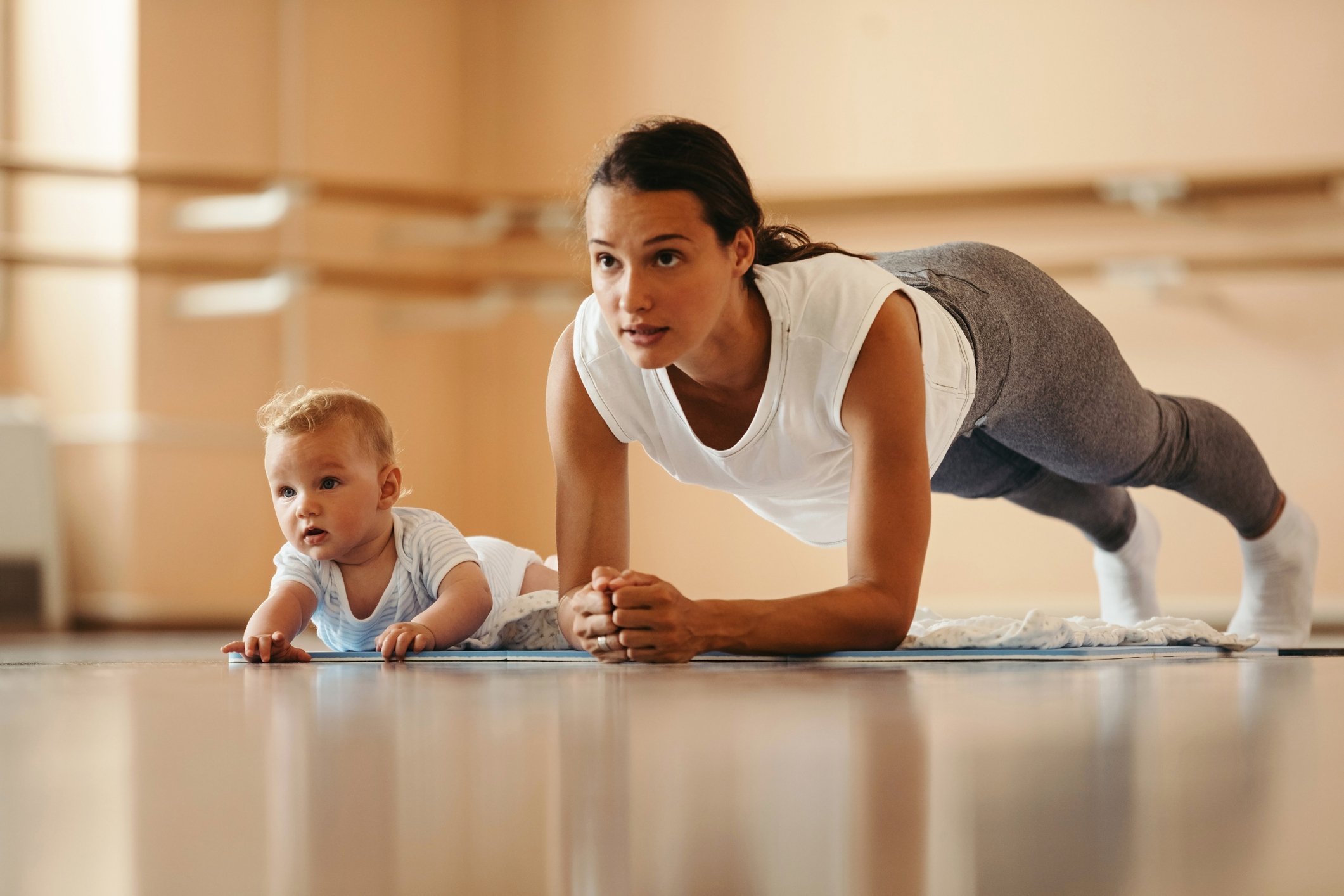
Physical wellness focuses on taking care of yourself through regular physical activity, prioritizing nutrition and maintaining healthy sleep habits. It is easy, especially for busy parents, to ignore our physical wellness but doing so can lead to a host of health issues.
Ways to work on your physical wellness as a family:
- Find ways to stay active together. Find activities you enjoy doing together whether it’s going for family walks or swimming, if you do it together you are more likely to make it a habit.
- Incorporate your children into meal prep. Even the smallest children can snap string beans or cut soft items with a plastic knife.
- Set a consistent bedtime and a relaxing bedtime routine. No screens for at least an hour before bedtime, as it can interfere with the body’s sleep signals.
Emotional
Emotional wellness focuses on developing healthy coping strategies and having healthy relationships. Studies have shown that prolonged exposure to toxic levels of stress during childhood can lead to adverse health outcomes later in life. This is why it is important to help children be aware of their emotions and teach them how to cope with them in a positive way.
Ways to work on emotional wellness as a family:
- Read books about feelings and help your children to recognize and label their emotions.
- Model positive coping strategies for your children, show them what it means to deal with anger or frustration in a healthy way.
- Validate your child’s feelings while maintaining boundaries around their actions (“I can tell you are mad. It’s okay to be mad, but you cannot hit your sister.”)
- Maintain open and honest communication. Show your children that they can come to you with anything, and that you are a safe space for them.
Social
Social wellness focuses on developing and maintaining a support system, and having a sense of belonging and connection.
Ways to work on social wellness as a family:
- Try to have meals as a family whenever possible. This allows for the development of family routines and rituals and practicing the give and take of conversation.
- Since in-person socialization is on hold during the current COVID-19 pandemic, having Zoom or other virtual gatherings with relatives and friends will help your family stay connected to their support network.
- Enroll your child in a local preschool or daycare, not only will this help your child make new friends, but allow you to meet other parents with same age children and expand your own social network.
Intellectual
Intellectual wellness focuses on recognizing one’s abilities and continually developing and expanding their knowledge and skills.
Ways to work on intellectual wellness as a family:
- Find out what your child’s interests are and encourage them to develop them. Sign up for classes (whether they are in-person or virtual) that will help them further their skills.
- Take advantage of the resources at your local library, often they offer classes (in-person and virtual) in addition to being able to check out books on whatever topic your child may be interested in learning more about.
- Learn new skills together. Take advantage of the many online offerings right now, (like Masterclass or Outschool) and take classes as a family.
Environmental
Environmental wellness focuses on your interactions with both your immediate environment (your home or workspace) and the care of our collective environment.
Ways to work on environmental wellness as a family
- Assess whether your home is meeting your families current needs. WIth working from home or virtual schooling, your family may need to get creative with physical space in order to carve out areas for work, play and learning.
- Make some sustainable swaps. Start small with things like replacing ziploc bags with reusable silicone ones or opting for glass food storage instead of plastic.
- Find ways to bring the outside in. Houseplants have been proven to lower stress and help purify indoor air. All the more reason to head to your local nursery and buy some new plant friends
Spiritual
Spiritual wellness does not necessarily have to relate to religious affiliation. Spiritual wellness can include your morals, ethics and your overall sense of purpose.
Ways to work on spiritual wellness as a family
- Create a family mission statement: what values or morals does your family hold dear as a part of your overall identity.
- Whether or not your family identifies with any one religion, find ways to connect with each other spiritually. Whether that is through prayer, meditation and mindfulness, or a developing a gratitude practice.
Vocational
Vocational wellness refers to the level of fulfillment in your work.
Ways to work on vocational wellness as a family
- Encourage your children to explore their interests and skills and show them how this could translate to future career opportunities.
- Expose your children to different vocations through talking to family members about their work, reading books about community helpers and taking family field trips to local farms, factories, office spaces, etc.
Financial
Financial wellness refers to the level of satisfaction with your current and future finances.
Ways to work on financial wellness as a family
- Teach your children about the value of money by setting up a bank account for them and encouraging them to save toward a goal.
- Introduce your child to the concept of budgeting by having conversations about why you choose not to buy certain things or shop certain places.
The Importance of Teaching Wellness to Children
With all the resources available to parents today, Millennials may just be history’s most competent parents. Odds are you are following multiple child psychologists, nutritionists and educators on social media and regularly read up on parenting way more than your parents ever did. We have the benefit of learning from previous generations about what works and what doesn’t when it comes to teaching children about wellness and healthy decisions. We have learned that tactics like shaming children about their appearance or obsessing over “clean” ingredients can actually cause more harm than good. By finding ways to naturally incorporate the dimensions of wellness into your family life, you will be exposing children to habits that will benefit them as they develop.
How to Teach Your Children About Health and Wellness
We all want what is best for our children, but putting too much pressure on making the “right” decisions may wind up backfiring. Instead, here are some ways to frame lessons about health and wellness so that the message actually sticks:
- Lead by Example
It is so important to practice what you preach when it comes to health and wellness. If you regularly talk to your child about making healthy choices but aren’t taking your own advice, they are less likely to take you seriously. You are your child’s most important role model and they will be more likely to prioritize their health if you do too. - Start Early
If family hikes or other wellness activities are started early and often, it becomes second nature. Children are never too small to start learning about how to take care of their bodies and their environment. - Be Age-Appropriate
Be sure to frame conversations about wellness in a way that your child can understand. There are lots of resources available to parents to guide discussions about everything from menstruationto reproduction, do your research and find what would work best for your child. - Get Everyone on Board
It is important to have everyone involved in your child’s life on the same page about their health needs. If you prioritize healthy eating at home and at Grandma’s they binge on candy, that is not going to benefit your child in the long run. Be sure to have conversations about your family’s values with extended family and caregivers. - Let Them Practice
Children learn by doing, so be sure to give them opportunities to practice making healthy decisions in a real-world context. By allowing them to help you shop for groceries, or choose vegetables to grow in your garden, you are helping them flex their wellness muscles and integrate what they have learned. - Be Patient
Learning to make healthier decisions that prioritize our well-being is a life-long process. Do not get discouraged if things don’t come together over night. By working as a family and starting small, you can have a lasting impact on your child’s health and wellbeing as they grow into adulthood.


