
-1.jpg?height=100&name=Image%20from%20iOS%20(2)-1.jpg)
Winnie
Drowning is the leading cause of death in children, and it can happen silently, quickly, and even in just a few inches of water. As parents and caregivers, it's our responsibility to keep young kids safe around water, whether they're playing in a backyard pool, enjoying bath time, or visiting the beach.
Here's what you need to know about preventing drowning and promoting water safety for babies, toddlers, and young children.
Why Water Safety Matters for Young Children
Young kids are naturally curious and often have no understanding of danger around water. Unlike in the movies, drowning is usually quiet and fast. That’s why water safety requires constant supervision, preparation, and proactive safety measures.
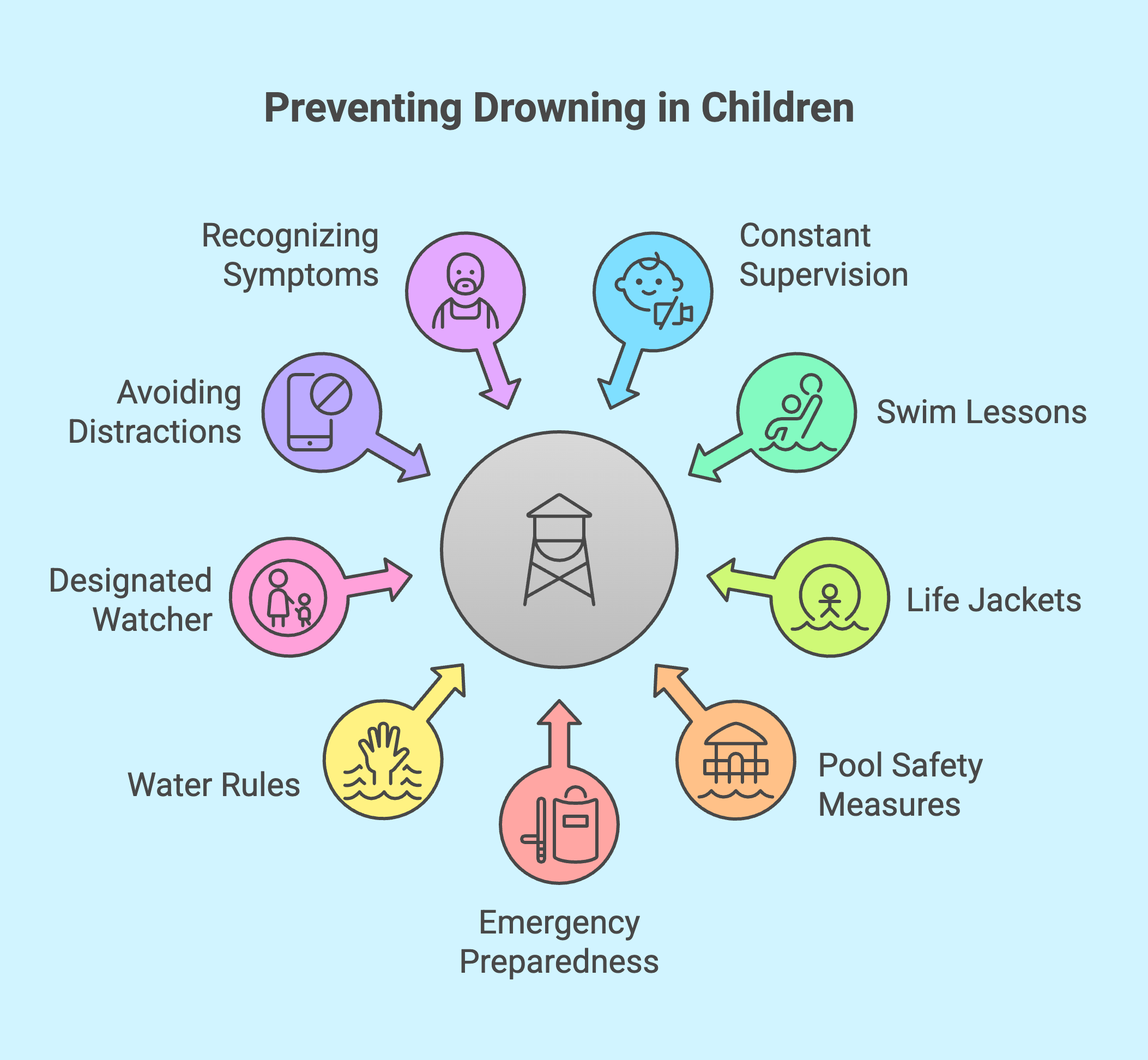
1. Never Leave Children Unattended Near Water
Children should never be left alone near any source of water. This includes bathtubs, buckets, kiddie pools, toilets, ponds, fountains, or any other body of standing water. Even small amounts of water can pose a serious drowning risk to babies and toddlers.
A child can drown in as little as 2 inches of water. Even stepping away for a second is too long for a baby or toddler.
When at pools or in open water, prioritize dressing your child in bright colors for increased safety and visibility. Neon colors are especially helpful. Avoid colors like white, gray and light blue that can easily blend in with the water.
💡 Tip: Bring everything you need (towel, soap, diaper) before starting bath or pool time.
2. Stay Within Arm’s Reach
For toddlers who may be swimming independently, an adult should still stay within arm's reach at all times. Even if they know how to swim, they may panic or tire easily.
💡 Tip: Babies and toddlers should never be considered “water safe,” even if they’ve had lessons.
3. Enroll in Swim Lessons Early
According to the American Academy of Pediatrics (AAP), swim lessons can begin as early as age 1, depending on the child’s readiness. Look for programs that focus on:
-
Water survival skills
-
Floating and turning
-
Age-appropriate, gentle instruction
4. Don't Count On Floaties
Arm floaties and inflatable toys are not life-saving devices. Instead:
-
Use a U.S. Coast Guard-approved life jacket
-
Make sure it fits properly and is appropriate for your child’s weight
This is especially important around open water, like lakes or beaches.
5. Practice Pool Safety at Home
If you have a pool:
-
Install a 4-sided fence at least 4 feet tall with a self-latching gate
-
Use pool alarms and rigid pool covers
-
Always empty kiddie pools immediately after use
💡 Tip: Floating pool covers and automatic covers are not a substitute for fencing and can pose entrapment hazards.
6. Be Ready for Emergencies
Keep a phone nearby in case you need to call 911. And ideally:
-
Take a CPR class (many local YMCAs and hospitals offer them)
-
Know how to respond if a child is unresponsive in water
💡 Tip: Seconds matter. Prompt CPR can save a child’s life while you wait for emergency responders.
7. Teach Water Rules Early
Even toddlers can start learning basic water safety rules. The earlier they do, the better off everyone is. Simple rules like:
-
Always ask an adult before going near water
-
No running near pools
-
No pushing, dunking, or rough play
These should be repeated often and modeled by adults and older siblings. Just like you teach kids to look both ways before crossing the street or wear a seatbelt in the car, water safety should become second nature.
8. Assign a Designated Water Watcher per Child
At any gathering near water, never assume someone is watching your child unless you’ve made it crystal clear who is responsible. The safest approach is to assign one adult to actively supervise each young child in or near water.
-
That adult should avoid distractions—no phones, no BBQing or multitasking.
-
Use a "Water Watcher" tag or lanyard to make it obvious who’s on duty.
-
The Water Watcher should stay within arm's reach and keep eyes on the child 100% of the time.
💡 Tip: Even if multiple adults are present, drowning still occurs when everyone assumes someone else is watching. Make supervision intentional.
9. Avoid Distractions (Yes, That Includes Phones)
Drowning can happen in as little as 30 seconds, and even a quick glance at your phone can be enough time for tragedy. Whether you're supervising bath time, a pool playdate, or a day at the beach, undivided attention is essential.
💡 Tip: Treat water supervision like driving—no texting, scrolling, or multitasking allowed.
10. Watch for Delayed Symptoms
If a child inhales too much water, symptoms can appear hours later. Watch closely after any drowning incident for:
-
Trouble breathing or persistent coughing
-
Unusual fatigue or excessive sleepiness
-
Vomiting or confusion
💡 Tip: If something feels off after a water incident, trust your gut and seek medical help immediately.


