

Sara Mauskopf
Sara Mauskopf is the co-founder and CEO of Winnie. She’s also the mom of three young children and vocal advocate for high quality child care and early education for all.
Trump Accounts are new savings accounts for children under 18, designed to help families build long-term funds for things like education, housing, or retirement. Eligible children may receive a one-time $1,000 government contribution, and the money grows over time with tax advantages. These accounts are similar to retirement-style accounts but built specifically for kids.
If you’re planning for your child’s future, understanding how these accounts work can help you decide if they fit into your savings strategy.
Jump to:
What Are the Benefits of Trump Accounts?
How Do You Open a Trump Account?
What Are Trump Accounts?
Trump Accounts (officially a 530A IRA) are federally created investment accounts for children under 18, designed to help families start saving early for their child’s future. They Families can also learn more directly through the official Trump Accounts website, which outlines program details and updates.
The government introduced a pilot program that gives a $1,000 seed contribution to children born between January 1, 2025, and December 31, 2028.
To qualify for the pilot program contribution, a child must:
- Be a U.S. citizen
- Have a valid Social Security Number
- Be under age 18
- Have a parent or guardian open the account and file the required election
It's really important to note that parents or guardians must actively elect to open the account for their child and meet eligibility requirements to claim the free $1,000.
Who Is Eligible?
To qualify for the government-funded contribution, children under 18, be a U.S. citizen, and have a Social Security Number. A parent or guardian must also open the account on their behalf.
This makes Trump Accounts especially relevant for new and expecting parents.
How Do Trump Accounts Work?
Trump Accounts are designed for long-term growth. Once the account is opened, the money is typically invested (for example, in index funds), allowing it to grow over time. Importantly, money cannot be withdrawn until the child is 18 and does get taxed when withdrawn.
Key Features at a Glance
Feature |
Description |
|
Government Contribution |
Children born between January 1, 2025, and December 31, 2028, may be eligible to receive a $1,000 federal seed contribution as part of a pilot program.* |
|
Annual Contribution Limit |
Families, friends, and employers can contribute up to $5,000 per year per child |
|
Tax Treatment |
Growth is tax-deferred until funds are used |
|
Contributions |
Parents, relatives, and employers can contribute |
|
Investment Strategy |
Funds are typically invested in diversified, low-cost index funds |
|
Access Age |
Funds generally become available at age 18 |
|
Use of Funds |
Education, housing, or retirement-related expenses |
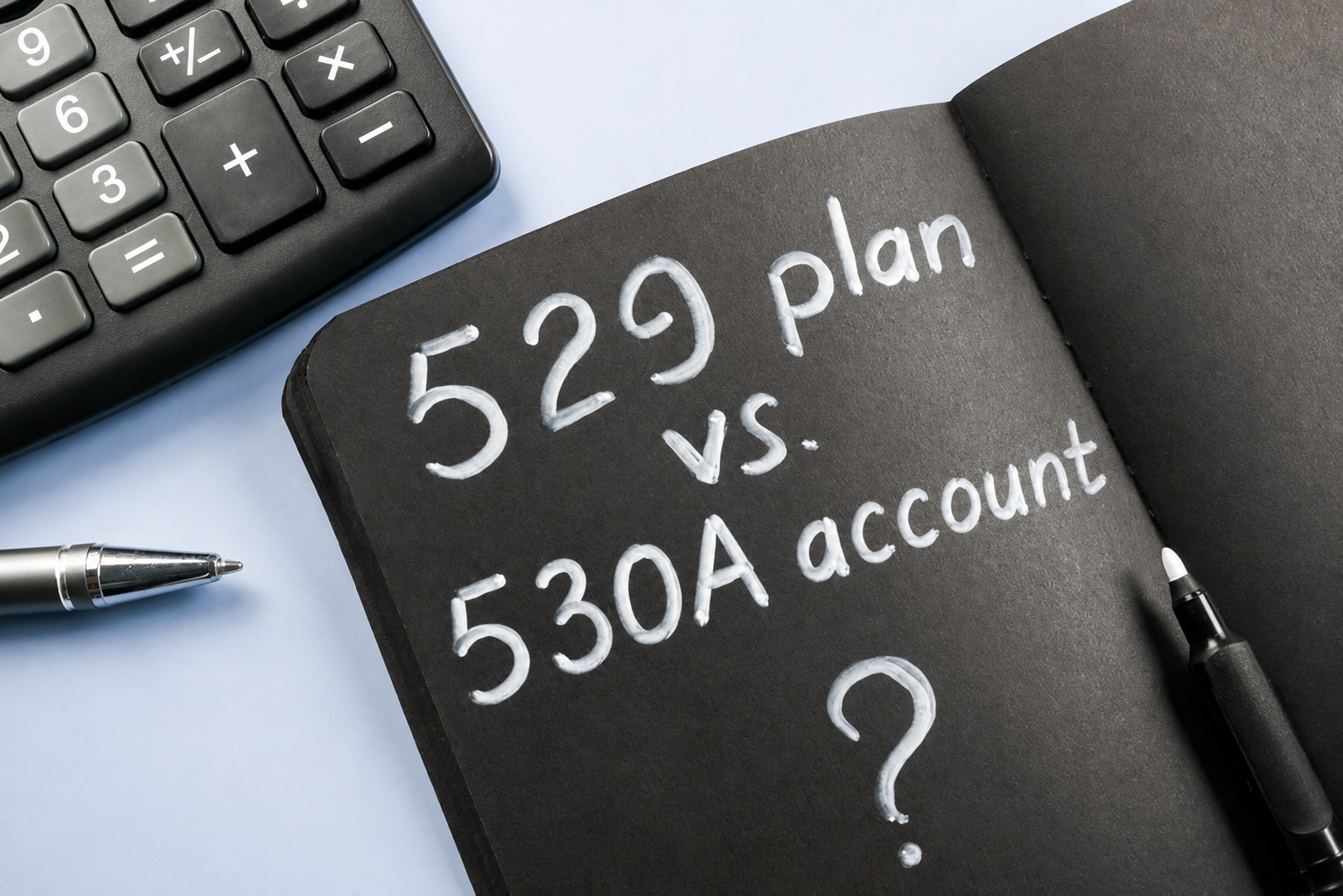
Trump Accounts vs. 529 Plans
Many parents are already familiar with 529 plans, which are commonly used to save for education. Trump Accounts are different in a few important ways.
Side-by-Side Comparison
Feature |
Trump Accounts (530A Accounts) |
529 Plans |
|
Purpose |
Broad (education, housing, retirement) |
Primarily education |
|
Government Contribution |
Yes (up to $1,000 for eligible children) |
No |
|
Tax Benefits |
Traditional IRA rules generally apply after age 18; withdrawals are taxable |
Tax-free for qualified education expenses |
|
Flexibility |
More flexible use of funds |
Limited to education (with some exceptions) |
|
Control |
Parent/guardian opens and manages account |
Parent/guardian opens and manages account |
In many cases, families may choose to use both. If your main goal is saving for college only, a 529 plan may still be a better option for contributing your own funds. But if you want more flexibility and to collect the free $1,000, you should open a Trump Account.
What Are the Benefits of Trump Accounts?
Trump Accounts are designed to make long-term saving more accessible and easier to start.
-
A Head Start With Government Funding - The $1,000 contribution gives families with young children an immediate boost. Over time, that initial amount can grow through compound interest.
-
Tax-Deferred Growth - Money in the account grows without being taxed each year. This allows savings to build faster compared to standard savings accounts.
-
Long-Term Financial Planning - These accounts encourage early saving for major life expenses like education, housing, or retirement.
-
Multiple Contribution Options - Parents, relatives, and even employers can contribute, making it easier to grow the account over time.
-
Flexibility for the Future - Unlike accounts limited to education, Trump Accounts give families more options for how funds are used when the child becomes an adult.

Opening a Trump Account
Parents or guardians must take action to open the account. This typically involves choosing a participating financial institution, completing the required IRS election form, and confirming the child’s eligibility.
- Choose a financial institution that offers Trump Accounts (such as a bank or investment provider).
- Complete IRS Form 4547 to officially elect to open the account for your child.
- Confirm your child’s eligibility, including citizenship and Social Security Number.
- Open the account either when filing your taxes or through the official Trump Accounts website.
Once the account is set up, families can begin contributing and managing it over time.
Frequently Asked Questions
What are Trump Accounts for kids?
Trump Accounts are long-term investment accounts for children that help families save for future expenses like education, housing, or retirement.
How much money do children get in a Trump Account?
Eligible children born between January 1, 2025, and December 31, 2028 receive a one-time $1,000 government contribution if they open a Trump Account.
Should I open a Trump Account if my child is too old to qualify for the $1,000 government contribution?
It may still be worth opening a Trump Account, even if your child isn't eligible for the federal $1,000 seed contribution.
Since the program launched, several companies and philanthropic organizations have announced additional contributions for children who don't qualify for the government funding. For example, the Michael and Susan Dell Foundation has pledged $250 for an estimated 25 million children ages 10 and under. If your child may qualify for one of these programs, opening an account could allow them to receive those contributions.
Can I use a Trump Account for college?
Yes. Funds can be used for education, but they are not limited to college expenses.
Are Trump Accounts better than 529 plans?
It depends on your goals. Trump Accounts offer more flexibility, while 529 plans offer stronger tax benefits for education-specific savings. You can open both for your children.
When can my child access the money?
Funds are generally available when the child turns 18, depending on account rules.


