

Tia Sauls
Tia Sauls is an early education specialist who helps families and educators navigate the child care, early education, and K–12 landscapes.
A sensory table is more than a toy, it’s an invitation for children to explore the world with their senses. By letting kids pour, scoop, touch, and experiment with textures, colors, and materials like sand or water, these tables promote curiosity, learning, and developmental growth. Sensory tables are used in homes, preschools, and early education centers as a fun and educational way to support fine motor skills, focus, and creativity.
Jump To:
-
What to Look for in a Sensory Table
-
Why Sensory Tables Matter
-
Best Sensory Tables by Age
-
Affordable and Budget-Friendly Sensory Table Ideas
-
DIY Sensory Table Projects
-
Tips for Safe and Engaging Sensory Play
-
Additional Sensory Play Ideas
-
FAQ
What to Look for in a Sensory Table
Before jumping into products, here’s what every parent or caregiver should consider when choosing a sensory table:
-
Safety: Prioritize tables with rounded edges, stable legs, and non-toxic materials. Safety certifications (ASTM, CPSIA) are always a plus. Avoid small detachable pieces for younger children.
-
Ease of Cleaning: Look for removable bins, drain plugs, or smooth plastic surfaces that make cleanup quick and easy. Some tables even include built-in drains or replaceable liners.
-
Adaptability: Adjustable height or indoor/outdoor compatibility means your table can grow with your child. Some designs double as craft or snack tables when not in use.
-
Age Fit: Shallow bins work best for infants, while deeper tables suit toddlers exploring water, sand, or sensory beads. Always check age recommendations before buying.
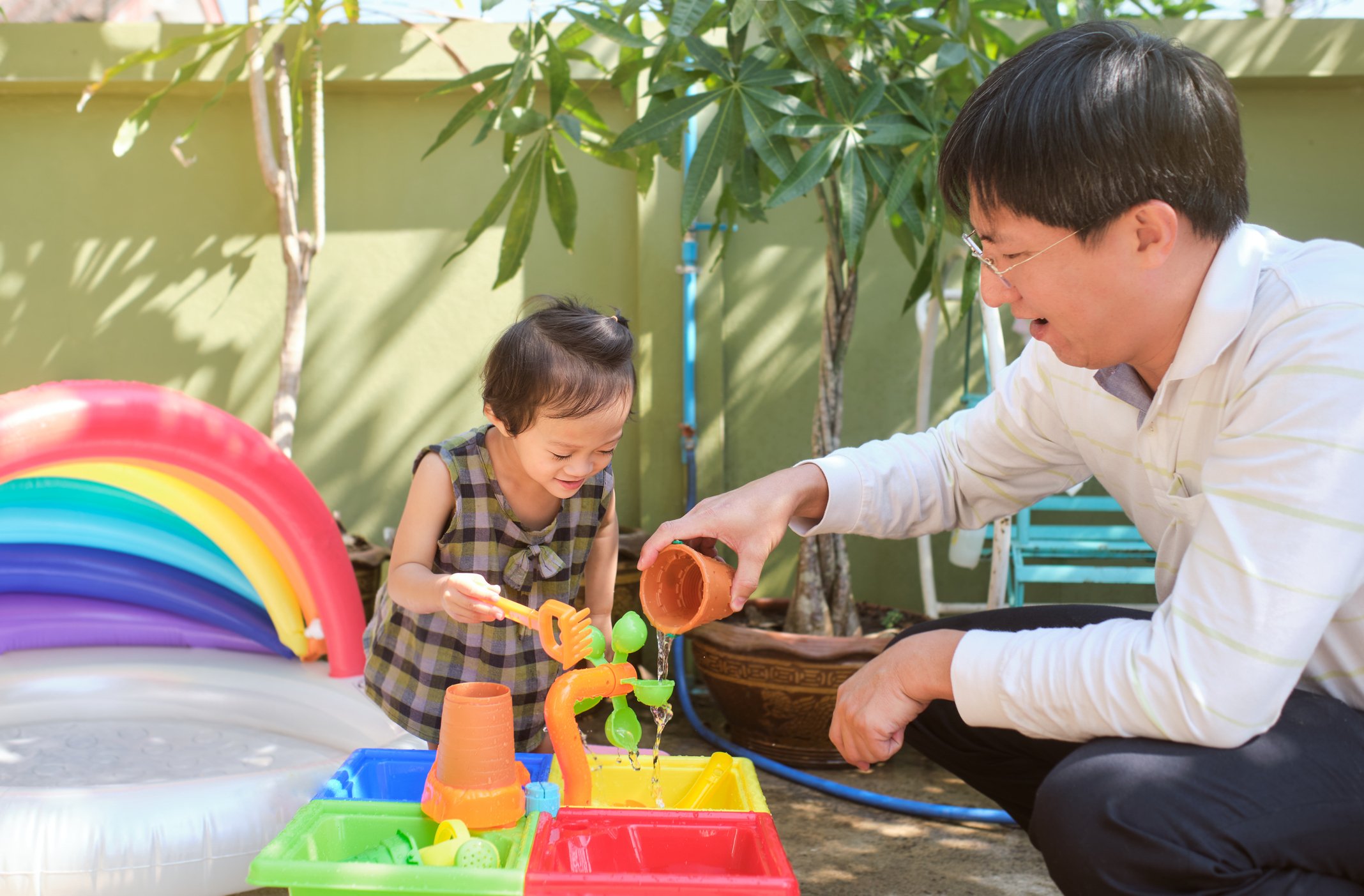
Why Sensory Tables Matter
Sensory tables may look simple, but they support multiple areas of child development:
-
Fine motor skills: Scooping, pouring, and transferring materials help children strengthen hand-eye coordination and dexterity.
-
Language development: As kids describe textures and actions (“wet,” “soft,” “scoop”), they expand vocabulary and expressive language.
-
Cognitive growth: Cause-and-effect learning happens naturally (“What happens when I mix sand and water?”).
-
Social-emotional learning: Sharing tools or space teaches patience and cooperation.
Educators often use sensory tables to calm anxious children or provide structured sensory breaks in preschool and early learning classrooms.
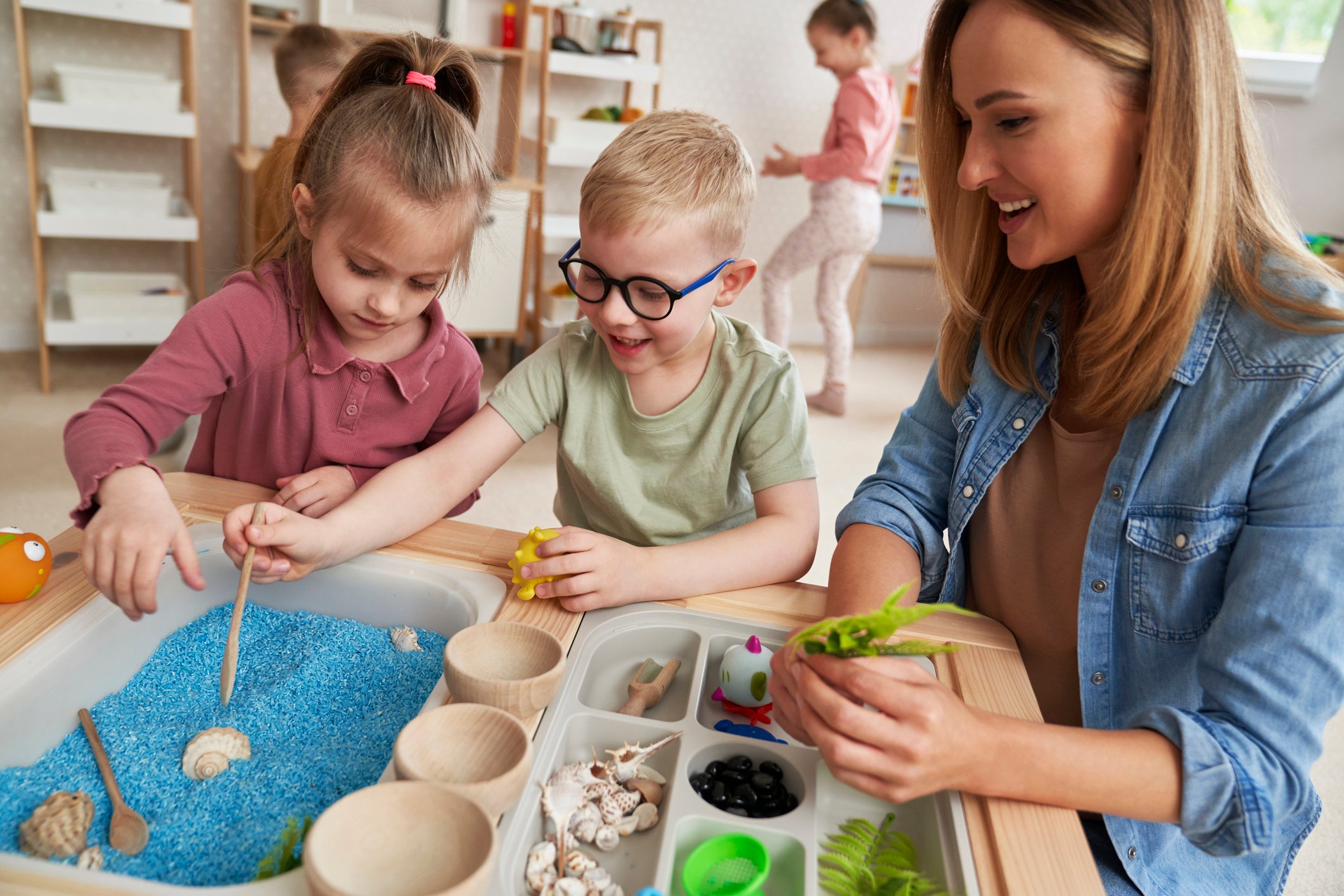
Best Sensory Tables by Age
Choosing the right sensory table depends on your child’s age, curiosity level, and how much space you have.
For Infants (6–18 months)
Infants need low, sturdy tables that encourage safe exploration. Look for smooth edges, limited fill materials, and soft, easy-to-grasp toys.
Top picks:
-
Step2 Water Table: Durable, weather-resistant, and perfect for supervised outdoor use.
-
IKEA FLISAT Table with bins: Adjustable height, ideal for rotating sensory themes and easy cleaning.
-
Lovevery Play Kit add-ons: Designed for developmental stages, from scooping to pouring.
Tip: Keep bins shallow and use edible or taste-safe materials like dry cereal, oats, or puffed rice.
For Toddlers (18 months–3 years+)
Toddlers thrive on multi-bin and themed tables that allow for water, sand, and texture play all at once. Choose models with lids or built-in storage for easy cleanup.
Popular options:
-
Little Tikes Water & Sand Table: Dual-sided play for endless creativity and mess containment.
-
Simplay3 Activity Table: Lightweight, sturdy, and perfect for outdoor or indoor setups.
-
Step2 Rain Showers Splash Pond: Encourages problem-solving through imaginative water play.
Bonus: Look for tables that transition easily outdoors or feature adjustable legs as your child grows.
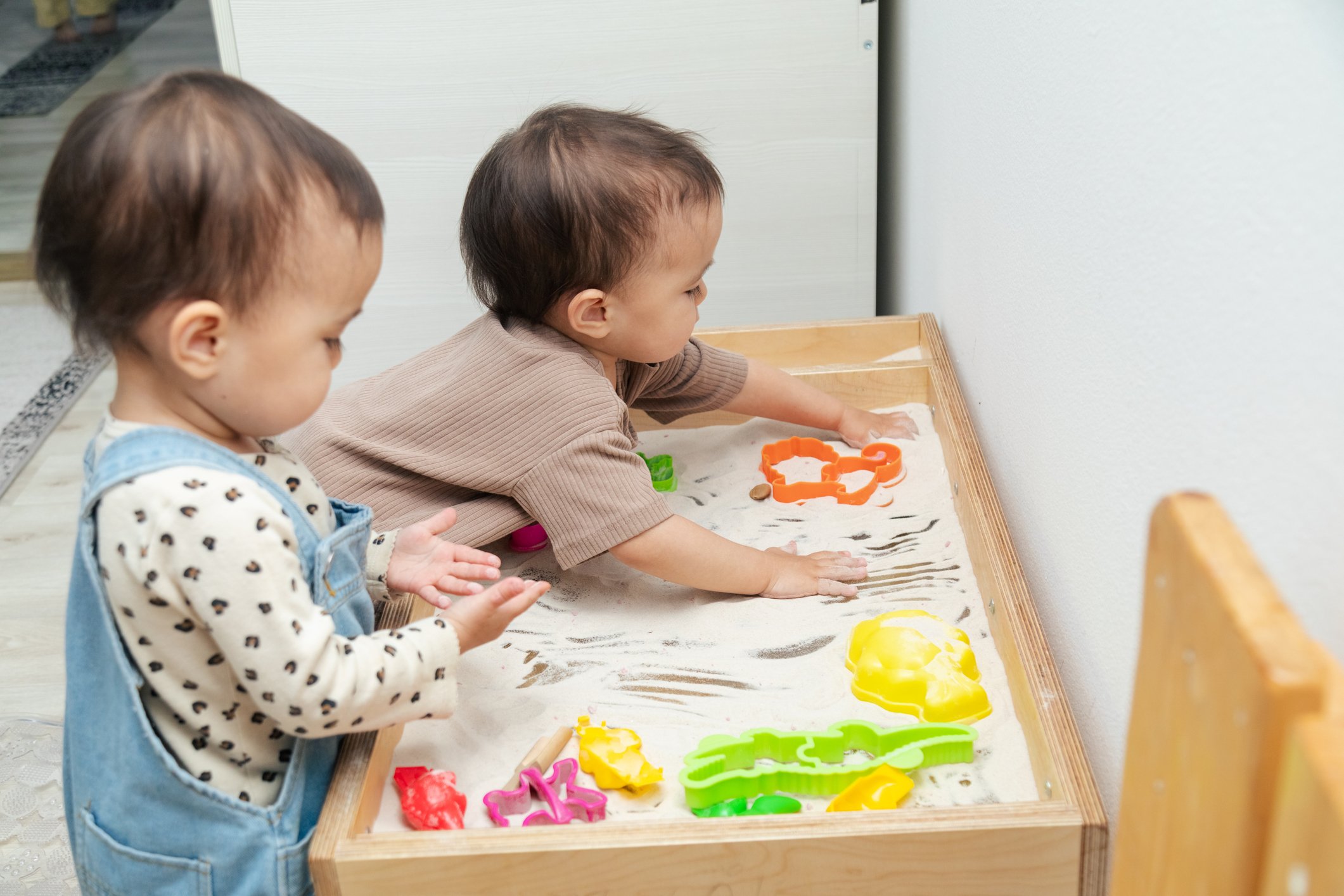
Affordable and Budget-Friendly Sensory Table Ideas
You don’t need to spend hundreds to enjoy the benefits of sensory play. Try these simple DIY setups:
-
Under-bed storage bin + scoop = $15 sensory table!
-
Repurpose an old water table, garden bin, or baking tray.
-
Dollar-store materials like rice, beans, or kinetic sand make easy refills.
-
Sensory trays: For small spaces, use large baking sheets or shallow boxes lined with silicone mats.
A low plastic bin on the floor can work just as well as fancy models, the key is hands-on exploration. Encourage your child to help you choose fillers like pom-poms, cereal, or natural materials such as pinecones or dried flowers.
DIY Sensory Table Projects
For creative caregivers, a do-it-yourself sensory table can be a fun weekend project.
Popular ideas:
-
IKEA FLISAT hacks: Add wheels, themed inserts, or removable covers to customize play.
-
PVC pipe frame + storage bin: Lightweight, customizable, and affordable, perfect for builders at heart.
-
Foldable designs: Great for small spaces or families who like to rotate play areas.
-
Seasonal themes: Try colored ice cubes in summer, dried leaves in fall, or scented rice in winter.
For extra fun, make it an art station too — swap sand for crayons and coloring tools. The more multifunctional your setup, the longer your child will stay engaged.
Tips for Safe and Engaging Sensory Play
See also A Guide to Sensory Play on Winnie
-
Always supervise children, especially when using small objects or water.
-
Rotate materials weekly to keep things exciting and fresh.
-
Use taste-safe fillers for infants — think cereal, oats, or cooked pasta.
-
Encourage free play and embrace a bit of mess; it’s part of the learning process.
-
Include variety: Add scoops, funnels, measuring cups, and tongs to promote fine motor skills.
-
Mix up the senses: Alternate between dry (sand, beans) and wet (water, shaving foam) play for balance.
Sensory play also offers emotional benefits. Many children find tactile play calming after a busy day or when transitioning between activities. Caregivers can use sensory tables as a peaceful wind-down activity or an opportunity to connect through shared play.
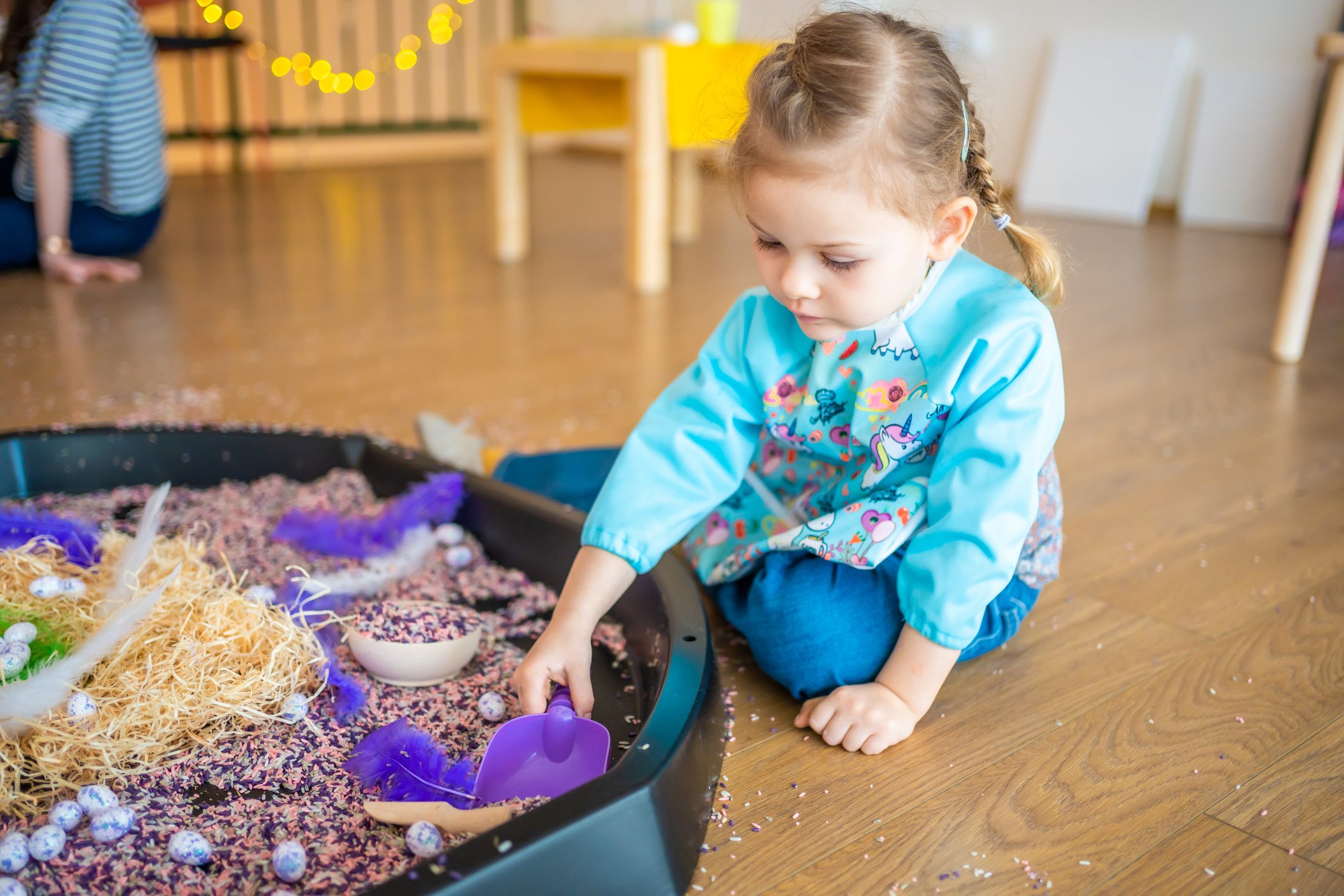
Additional Sensory Play Ideas
Once you have your table, the possibilities are endless. Try these engaging setups:
-
Color sorting: Use different materials in each bin to teach colors.
-
Sensory storytelling: Hide small figurines or toys and encourage your child to create stories around what they find.
-
Nature play: Collect leaves, shells, or rocks from outside and create a mini nature lab.
-
Holiday themes: Use red and green rice for the holidays or frozen blue water beads for winter fun.
Each new setup encourages creativity and helps your child develop focus and imagination.
FAQ
What age is best to start sensory play?
You can start as early as 6 months, using taste-safe materials and supervised activities. The key is ensuring everything is age-appropriate and non-toxic.
Can sensory play help my child’s development?
Absolutely! It boosts fine motor skills, cognitive growth, and creativity by stimulating multiple senses simultaneously. Research shows that sensory exploration also supports language development and social-emotional growth.
How often should I change sensory table materials?
Once or twice a week is ideal to keep things engaging and sanitary. Rotate dry and wet materials for variety and excitement.
Can I use a sensory table indoors?
Yes, many are designed for indoor use. Just place a mat underneath to catch spills or sand, and choose washable fillers for easy cleanup.
What fillers are safest for young kids?
Oats, dry pasta, colored water, or even cereal are all great taste-safe options. Avoid small beads or objects for infants and always supervise during play.


