

Sara Mauskopf
Sara Mauskopf is the co-founder and CEO of Winnie. She’s also the mom of three young children and vocal advocate for high quality child care and early education for all.
At Winnie, we've been tracking parent search behavior for years, and one thing we know for sure: summer camp planning usually starts early.
Historically, interest begins to rise in February, builds through March and April, and peaks in May as families finalize their summer plans before programs fill up.
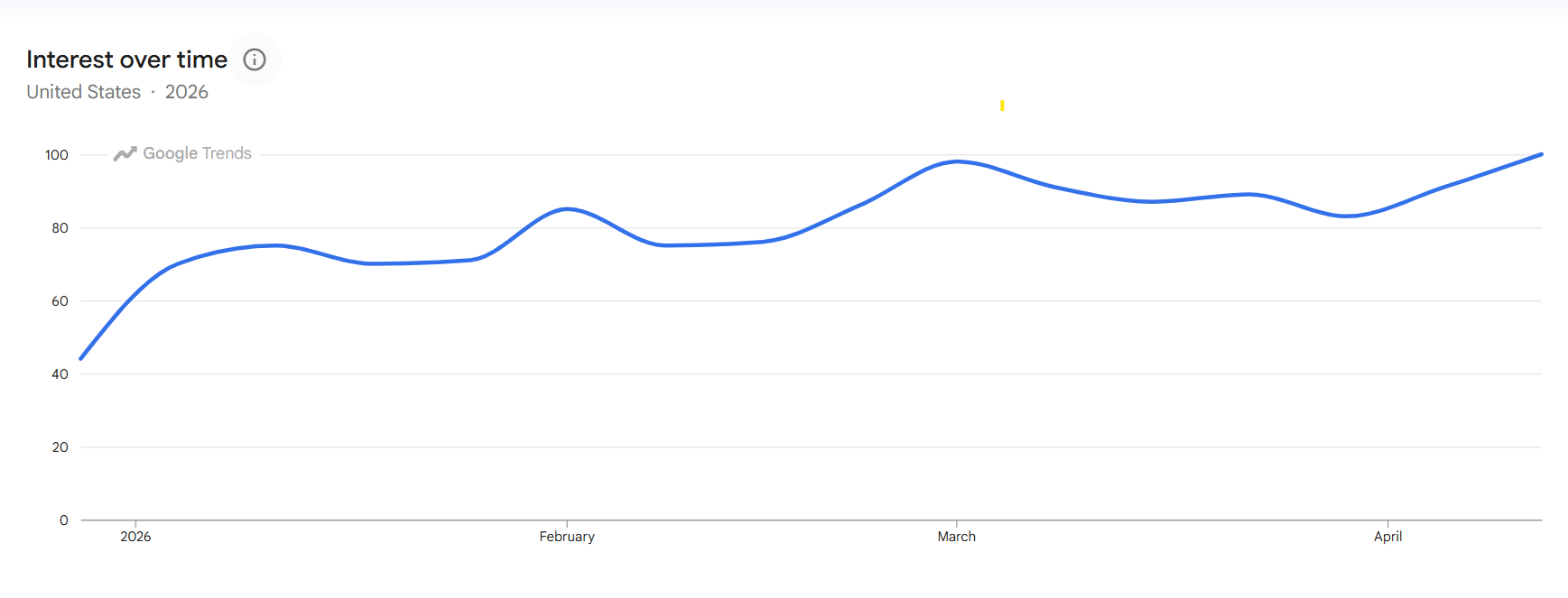
Google Trends data showing the seasonal search pattern for summer camps
This year, the pattern is shifting, with searches staying elevated and continuing to grow through April.
A Later-Than-Usual Summer Search Surge
While early interest is expected, what stands out this year is how sustained that interest has been.
Search activity is not only picking up early but continuing to climb through the spring months. This indicates that families are not rushing to lock in plans as quickly as in previous years, and are instead taking more time to evaluate their options.
We’re also hearing from both parents and providers that bookings are happening later than usual, reinforcing what the data suggests: the traditional “peak” planning window is expanding.
There isn’t one single reason driving this shift, but a few key factors are shaping how families approach summer planning this year.
The Role of Job and Economic Uncertainty
One major factor behind this shift is economic uncertainty. We’ve seen similar patterns across childcare in our recent analysis on childcare and the economic squeeze.
With ongoing changes in the job market and broader financial concerns, many families are feeling less confident about making plans far in advance. If your work schedule, income, or summer availability isn’t fully clear, committing to a program months ahead can feel risky.
As a result, more parents are taking a “wait and see” approach, holding off on decisions until they have a better sense of what their summer will look like.
A Growing Expectation of Flexibility
This trend also reflects a broader shift in how families approach childcare and summer enrichment.
Parents increasingly expect flexibility, whether that means rolling enrollment, part-time schedules, or clearer pricing structures. Instead of committing to a full summer upfront, many families are looking for options that allow them to adapt as their needs change.
Providers who can offer this kind of flexibility are better positioned to meet families where they are right now. Learn more about broader trends in early education in our child care insights and news.
What Camp Providers Should Do Now
The extended search window creates new opportunities for providers to fill spots later in the season.
It’s Not Too Late
Summer plans are not “locked in.” Many families are still actively searching, comparing options, and enrolling closer to their start dates.
Keep Your Listings Updated
Make sure your Winnie listing reflects your current availability, age groups served, hours, and pricing. Accurate information helps parents make faster decisions.
Highlight Flexibility
If you offer rolling enrollment, flexible schedules, or prorated weeks, make that clear in your description. These features are increasingly important to families.
Continue Marketing
Don’t assume the enrollment window has closed. Parents are still searching, and programs that stay visible have a better chance of filling remaining spots.
Learn how to make your summer program stand out and attract more families.
It's Not Too Late
The takeaway? Summer isn't “locked in” for families or providers. Whether it's due to job transitions, financial uncertainty, or just the general unpredictability of life right now, more families than ever are searching for summer care later in the season.
If you're looking for summer camps or care, you can search on Winnie.


