

Anne Halsall
Anne Halsall is Chief Product & Technology Officer (CPTO) and co-founder of Winnie. Anne leads product and technology at Winnie, including AI, platform and data.
Bringing Montessori principles into your home can encourage your child to further practice the skills they learn at school: tidiness, independence, intrinsic motivation and more. Remember that your home does not have to be a perfect expression of the Montessori method. Making small changes like structuring your child’s play space similarly and promoting the same ideas can supplement their education by using Montessori at home. Adapt the Montessori principles to work for you, your child and your family as a whole to reap the benefits.
Below are a few tips on how to use the Montessori method at home.
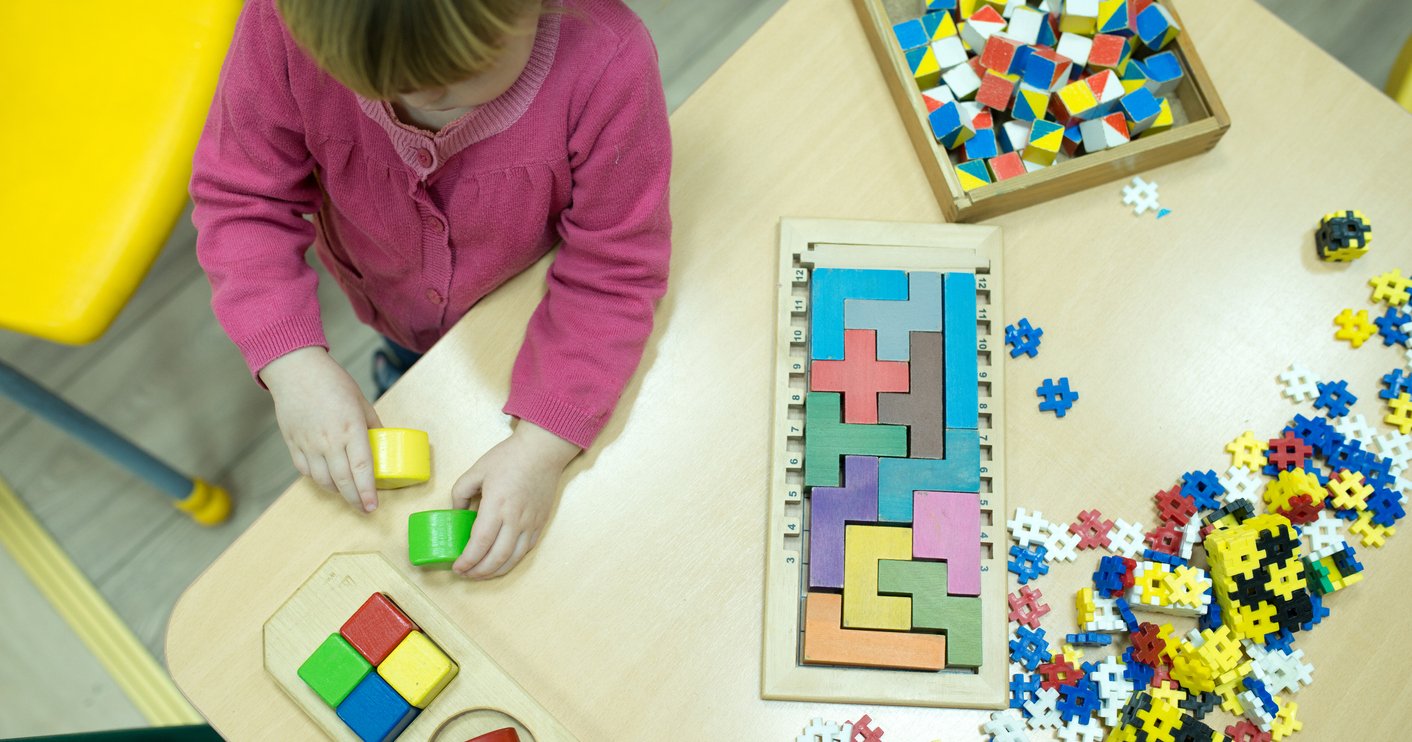
Make sure the environment is child-friendly and orderly
Child-centric learning is one of the most important tenets of the Montessori method. The Montessori classroom structure allows students to explore activities and learn on their own. To carry that principle over into your home, evaluate your child’s bedroom and/or play space. You can make it more child-friendly by using:
-
Low furniture. A dresser with lower drawers or a lower rod in their closet will make it easier for your child to put away their clothing themselves. Shorter bookshelves or low storage bins foster a sense of order. Show your child that they should respect their belongings and environment by keeping their bedroom or play area tidy.
-
Organized storage. Ensure that your child’s toys, games, books, art supplies and other belongings have a particular place they should go. This will help minimize distractions and allow your child to focus on one activity at a time. Putting it away when done before choosing another activity also encourages self-discipline and neatness.
-
Child-size table and chairs. Having a smaller table and set of chairs allows children to complete tasks or engage in activities independently and comfortably. They also create a sense of ownership and further encourage your child to take care of their belongings.
Creating a home environment that mimics a Montessori classroom allows your child to continue practicing neatness and care for their own things. This is a major way parents can help facilitate the Montessori method at home.
Teach real-life skills
The Montessori method allows children to practice the skills they need to engage in real-world scenarios while they are still young. To hone skills your child will need in the future, try a few activities that foster them with your at-home Montessori training.
-
Promote independence: Allow kids to choose their bedtime storybook. Let your child decide what board game the family plays next. Ask for their advice on rearranging their play space or organizing their snack menu for the week. Including them in decision-making also shows that their advice is valuable to you.
-
Encourage concentration: By creating a child-friendly, orderly play space or bedroom as previously mentioned, you create a distraction-free environment your child can use. They may be using this environment for playtime or free time, but it still encourages them to focus on their task at hand and improves work ethic and concentration.
-
Practice courtesy: By emphasizing good manners at home as Montessori teachers do in the classroom, polite and respectful behavior is instilled in your child at a young age. Remind them to be mindful of other family members when playing by keeping noise to a minimum. Practice how to talk to other people courteously; for example, what to say when first meeting someone, when apologizing or thanking a person, or during an argument.
Encourage inner motivation and self-correction
In the Montessori classroom, teachers avoid using traditional extrinsic rewards like gold stars or merit-based privileges and instead emphasize a student’s sense of accomplishment. Montessori learning materials are typically self-correcting, so students can learn through inner motivation rather than external praise or consequences.
You can follow similar principles of inner motivation and self-correction at home by:
-
Being patient. If you’re reading or doing an activity with your child, let them make a mistake and don’t interrupt them. Give your child the chance to work out the error and correct it themselves.
-
Giving meaningful praise. Compliment your child’s attempts rather than the results. Work is given more meaning over winning or being correct.
By also focusing on the effort given rather than the output, children learn that it is okay to make mistakes and that they’ll have the chance to correct them on their own. While an important life lesson, this is another easy principle to bring into your Montessori at home learning.
Remember that you can always adjust the structure and principles reinforced at home to best suit your child’s needs. You can also ask your child’s Montessori teacher for advice; since they work with your child, they know their habits in the classroom and may have helpful suggestions for continuing the Montessori method at home.
Don’t have a Montessori program yet? Check out a list of Montessori preschools in your area today.


