
-1.jpg?height=100&name=Image%20from%20iOS%20(2)-1.jpg)
Winnie
When it comes to child care, many parents face a common question:
Is it cheaper to hire a nanny or enroll your child in daycare?
The answer isn’t one-size-fits-all as it depends on a variety of factors including your schedule, the number of children you have, and the type of care you need.
In this guide, we’ll break down the typical costs of both nannies and daycare, and help you understand what might be more affordable for your family. Whether you're working full-time or just need part-time coverage, this comparison can help you choose the best care option for your budget and lifestyle.
Which Is More Affordable?
In most cases, daycare is the more affordable option, especially for families with one child and a predictable weekday schedule. However, hiring a nanny may become cost-effective for families with multiple children, nontraditional work hours, or a desire for highly personalized care.
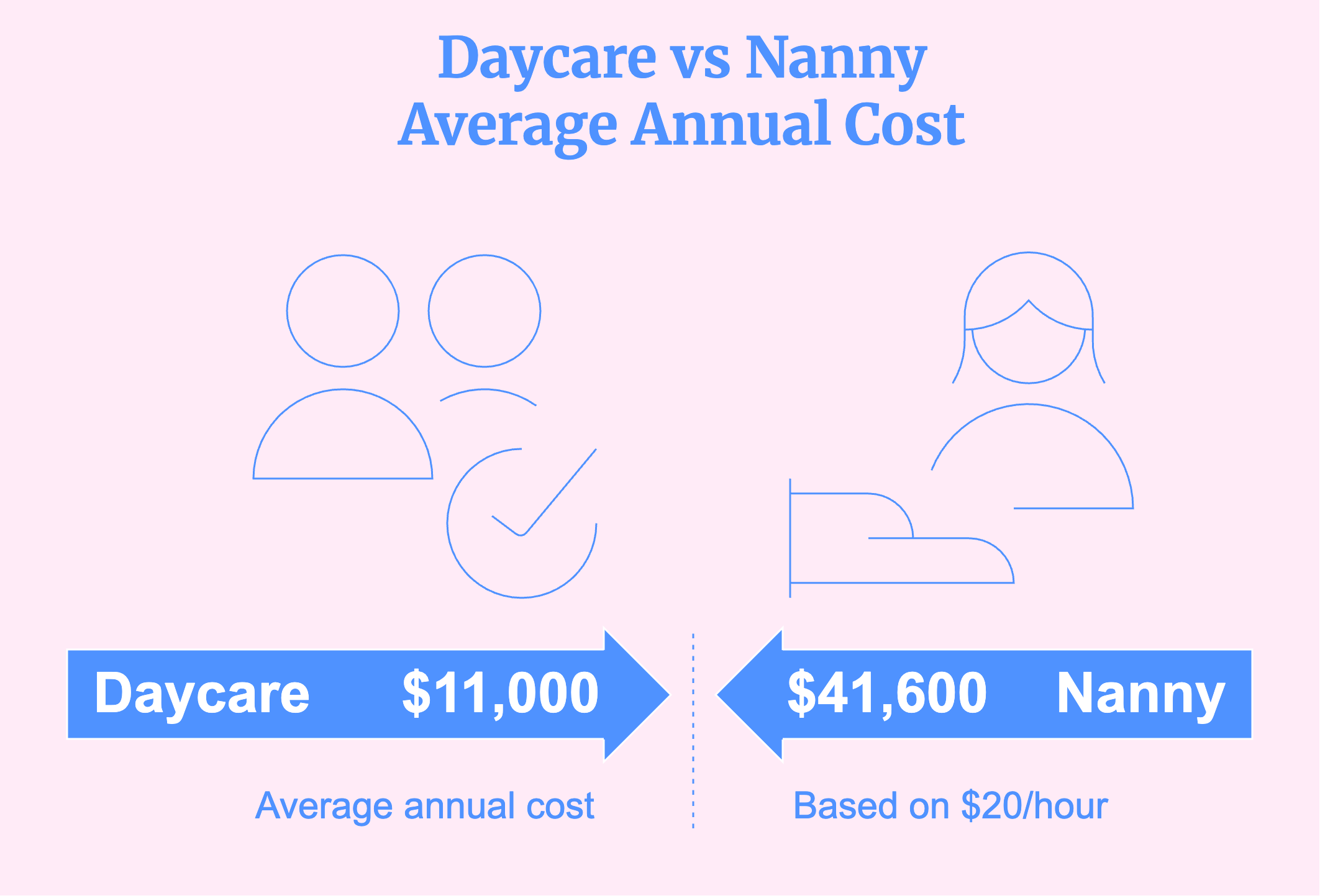
Daycare Costs: What to Expect
Daycare costs vary widely based on location, age of the child, and type of program. On average, daycare is more cost-effective than hiring a one-on-one caregiver, especially if you only need care during standard weekday hours.
Key factors influencing daycare costs:
-
Type of daycare: Home daycares are generally more affordable than child care centers.
-
Age of child: Infant care usually costs more than care for toddlers or preschoolers.
-
Full-time vs. part-time care: Many centers offer flexible scheduling options that may reduce your costs.
-
Location: Urban areas tend to have higher prices than suburban or rural areas.
The average cost of daycare is $11,000/year which is around $5.50 on an hourly basis. To compare daycare options near you, start your search on Winnie’s daycare directory.
Nanny Costs: A More Flexible (and Often Pricier) Option
Nannies provide one-on-one care in your home, often with a high level of flexibility and personalized attention. However, this convenience and customization typically come at a higher cost.
Key cost factors when hiring a nanny:
-
Hourly or salaried rates: Nannies often earn $20-$35/hour depending on experience, location, and responsibilities.
-
Number of children: Families with multiple children may find the cost per child decreases, making a nanny more economical.
-
Schedule: Nannies may offer more flexible hours, including early mornings, evenings, and weekends.
-
Additional duties: Responsibilities such as driving children, preparing meals, or managing household tasks can raise the rate.
Not sure if you need a nanny or another type of caregiver? Learn more about the differences between a babysitter and a nanny.
Hidden Costs to Watch For
Beyond hourly rates or tuition, both daycare and nanny care can come with unexpected costs.
- Taxes and legal requirements: Hiring a nanny usually means you're a household employer responsible for taxes and benefits. Daycares handle this on your behalf.
-
Daycare extras: Registration fees, supply fees, late pickup fees, and seasonal closures may require backup care.
-
Nanny extras: Paid vacation, sick days, overtime, and backup care when your nanny is unavailable can increase the total cost.
Other Considerations
-
Licensing: Daycare centers are typically licensed and regulated, whereas nannies and babysitters do not need a license.
-
Reliability and availability: Finding a reliable babysitter or nanny can be a challenge, whereas at a daycare the schedule is set and predictable.
If affordability is your top priority, daycare is typically the better choice. But if your family needs flexible hours, in-home care, or has multiple children, a nanny may provide better overall value.


