
-1.jpg?height=100&name=Image%20from%20iOS%20(2)-1.jpg)
Winnie
September is Baby Safety Month, and since there is no such thing as being too safe when caring for small children— we wanted to share some of our top daycare safety tips for childcare providers.
Get Licensed
Depending on where you live, there may be limitations on how many children you can care for without being licensed. For example, you cannot care for more than three children for more than 3 hours at a time in New York without being a licensed childcare provider.
Becoming a licensed childcare provider does take time, effort, and financial resources, but it's worth it. Being licensed means you'll need to submit to regular inspections to be sure your space is safe, and you'll have access to the resources your state provides to providers. Plus, many grants are available for people who want to start childcare programs, especially in childcare deserts.
Hire the right people and train them well
Hiring teachers and staff who will uphold your safety standards is critical. It's important to check references, conduct background checks, and any other safety screening your state suggests. It may feel like a lot, but you can never be too safe when hiring the right staff for your childcare program.
Once you have found the right people, you'll need to be sure they keep safety top of mind. Establish safety policies and procedures, and make sure your staff understands them. Develop a staff handbook and have all new hires review and sign it. You may even want to review the staff handbook and safety expectations during staff meetings or trainings every few months.
Firm up your policies and procedures
It's important to have a plan for everything from how to dismiss children to what to do if there's a fire. Anticipating issues before they happen and finding a way to handle them will help your program run smoothly and keep kids safe.
You should have a parent handbook and parent bulletin board where important information is posted. The following topics are sensitive and should be well-thought-out to avoid safety concerns.
- Asthma/Allergy/Medical action plans: If you have children in your program with allergies, asthma, or other health concerns, are there clear plans for what to do in an emergency? Has the plan been shared with parents?
- Dismissal: Be sure parents understand what is needed if someone else picks their child up. Do you need to have a note in writing? Is an email okay? Does the pick-up person need to show ID?
- Emergency plans: What will you do if there is a fire, extreme weather event, or other emergencies? Often, these kinds of procedures are required as part of the licensing process, but if you didn't need to do them— it is a good idea.
Make sure your space is safe.
Some people dedicate their whole careers to baby-proofing spaces because it can be trickier than you think. It may seem silly, but getting down on the floor at the level of an infant or toddler can help you find problems that need addressing.
- Cords and outlets: These are usually the obvious things to keep out of the reach of young children, but it's always good to double-check! If you have electronics like tablets that need charging, be sure to do so out of the reach of children.
- Choking hazards: Especially in a mixed-age group, accidents happen. An older child may play with a marble-run or another toy with small parts and leave it out where an infant can grab it. Be sure that all toys with small parts are routinely inspected for safety and that any food served to infants and toddlers are cooked and cut appropriately.
- Foods like popcorn and tortilla chips shouldn't be served to small children
- Grapes and other round foods should be cut-up.
- Foods served to infants should be able to be smushed between your fingers, so vegetables may need to be steamed or boiled.
- Safe sleep surfaces: Infants should be put to sleep on their backs, and their sleeping area should be free of blankets, pillows, and stuffed animals. If an infant falls asleep in a swing or bouncer, they should be transferred to a safe sleeping surface. Safety checks should also be done during nap times to ensure all children sleep soundly and safely.
- Check sharp edges and shelves: Small children will always find ways to hurt themselves, even in the safest spaces, but making sharp edges safe is still an important safety measure. You can purchase corner baby-proofing kits or create your own using pool noodles! You'll also want to be sure any heavy furniture is bolted to the wall to prevent it from tipping
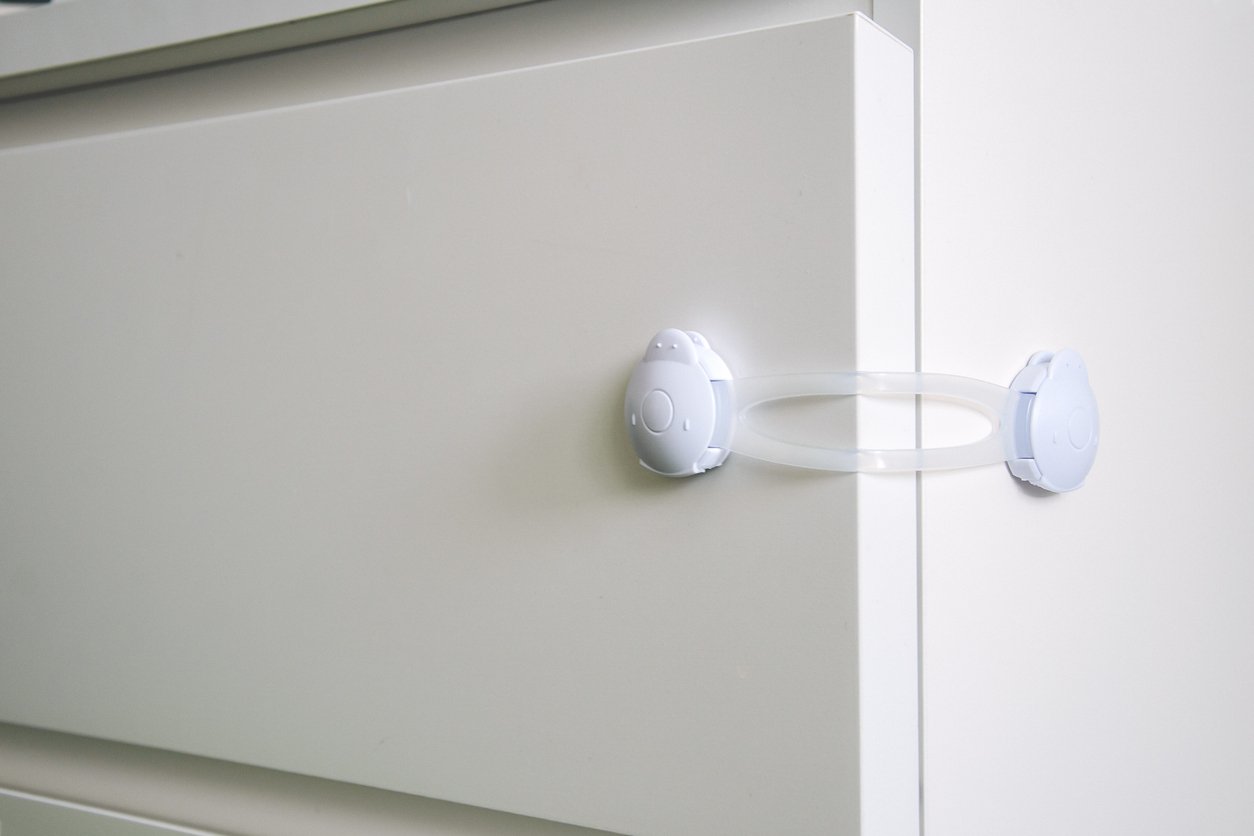
- Keep drawers or cabinets locked: If there are not-so-safe items in a drawer or cabinet, keep them locked.
Communicate with families (maybe even over-communicate!)
An essential part of keeping everyone safe, including yourself, is ensuring everyone is on the same page. Parents should understand your safety policies and procedures and should do their part to uphold their end of the bargain.
Keep an open line of communication with parents and let them know how their child's day was. If a child got any bumps or scrapes during the day, give the parent a heads up with a quick phone call or a conversation at pick-up.
Likewise, if a child seemed a little under the weather or not quite themselves, let their caregiver know. It's always better to over-communicate with a parent than to risk not sharing something important.
The same goes for parents, too. Encourage them to let you know how their child's night was and if there is anything they're concerned about. The more you know about the children in your care, the better!
This list isn't exhaustive, and there are so many things to keep in mind when it comes to daycare safety, but we hope this is a helpful reminder. If you are looking for additional safety resources, your state's licensing agency is a great place to start!


