

Sara Mauskopf
Sara Mauskopf is the co-founder and CEO of Winnie. She’s also the mom of three young children and vocal advocate for high quality child care and early education for all.
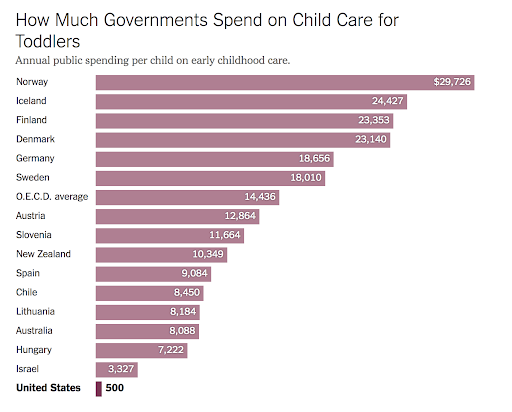
Unlike other developed countries, the United States does not mandate or provide universal child care or early education for children before they enter Kindergarten. For many families, the high cost of early education—more than college tuition in many states—makes it unaffordable. As a result, only about half of America’s 3 and 4 year olds are enrolled in a preschool program. Biden’s Build Back Better plan set out to lay the groundwork for universal preschool services, but has not yet passed.
The good news is that in the United States, there’s already an established, effective model for providing high-quality early care and education to low-income families. Head Start is a federally funded program that provides free, high-quality childcare and preschool to children ages birth through five years old in a variety of settings. Head Start serves over 1 million children and their families every year across the United States.
The Head Start model works
We know Head Start works. The Head Start program has existed since 1965 and we now have longitudinal data that the benefits of Head Start last into adulthood. According to research, “Head Start participants are 12% less likely to live in poverty as adults and 29% less likely to receive public assistance,” breaking the cycle of generational poverty for many families.
What makes the Head Start model so unique is that it operates as a two-generation model, providing services to the family as a whole. The program provides training and support for parents on anything from financial planning to GED or college prep. As part of supporting the child as a whole, Head Start programs also provide routine medical and dental care for children on-site, alleviating the burden of medical costs or travel expenses for families. Supporting the whole child and their family means a more optimal environment for learning and development to take place.

Removing barriers for families
The challenge, however, is removing barriers to access Head Start for families, including locating Head Start programs within their communities. According to the National Head Start Association, “only 11% of income-eligible infants and toddlers have access to Early Head Start,” which serves children under the age of 3. Some of the obstacles families face are related to lack of funding for local Head Start programs but in other cases, it comes down to a lack of awareness that the program even exists. At Winnie, it’s a priority to make it easier for families to find Head Start programs near them and apply to see if they qualify.
In addition to helping families access Head Start programs, it’s important to help the programs themselves grow. A major focus of one of Winnie’s newest initiatives, Winnie Pro is helping Early Head Start and Head Start providers run efficient, effective programs and simplify the day-to-day operations so they can focus on what matters most—the families.
Head Start is a great model for accessible, high-quality care and early education in the United States. By strengthening these programs and helping them reach more families, we can help more children access the high-quality early education they deserve. To learn more about how Winnie helps Head Start providers and families, visit us at the National Head Start Association conference in May or reach out at info@winnie.com.


