

Sara Mauskopf
Sara Mauskopf is the co-founder and CEO of Winnie. She’s also the mom of three young children and vocal advocate for high quality child care and early education for all.
When people talk about AI in education, the conversation almost always goes the same place: personalized tutoring. Apps that sit alongside students and fill learning gaps in real time.
Better learning apps are great, but in early education, they miss the biggest opportunity. Young children don’t primarily learn from screens. They learn from connections with parents and teachers, socializing with peers, and interacting with the humans who guide them through the world.
The educators who work with children are navigating a human capital crisis. And until we get serious about that, about who is doing the work of caring for and educating our next generation and how little time, energy, and money they have to actually do it, we'll keep layering technology on top of a broken foundation.
Winnie is a platform that helps families find and enroll in child care and education programs. We work with thousands of providers, from home-based daycares to large preschools to K-12 schools, and we see up close what makes their days harder than they need to be.
That's why, when Washington started convening conversations about AI's role in education, Winnie was invited alongside big tech companies like Google, Microsoft, and OpenAI.
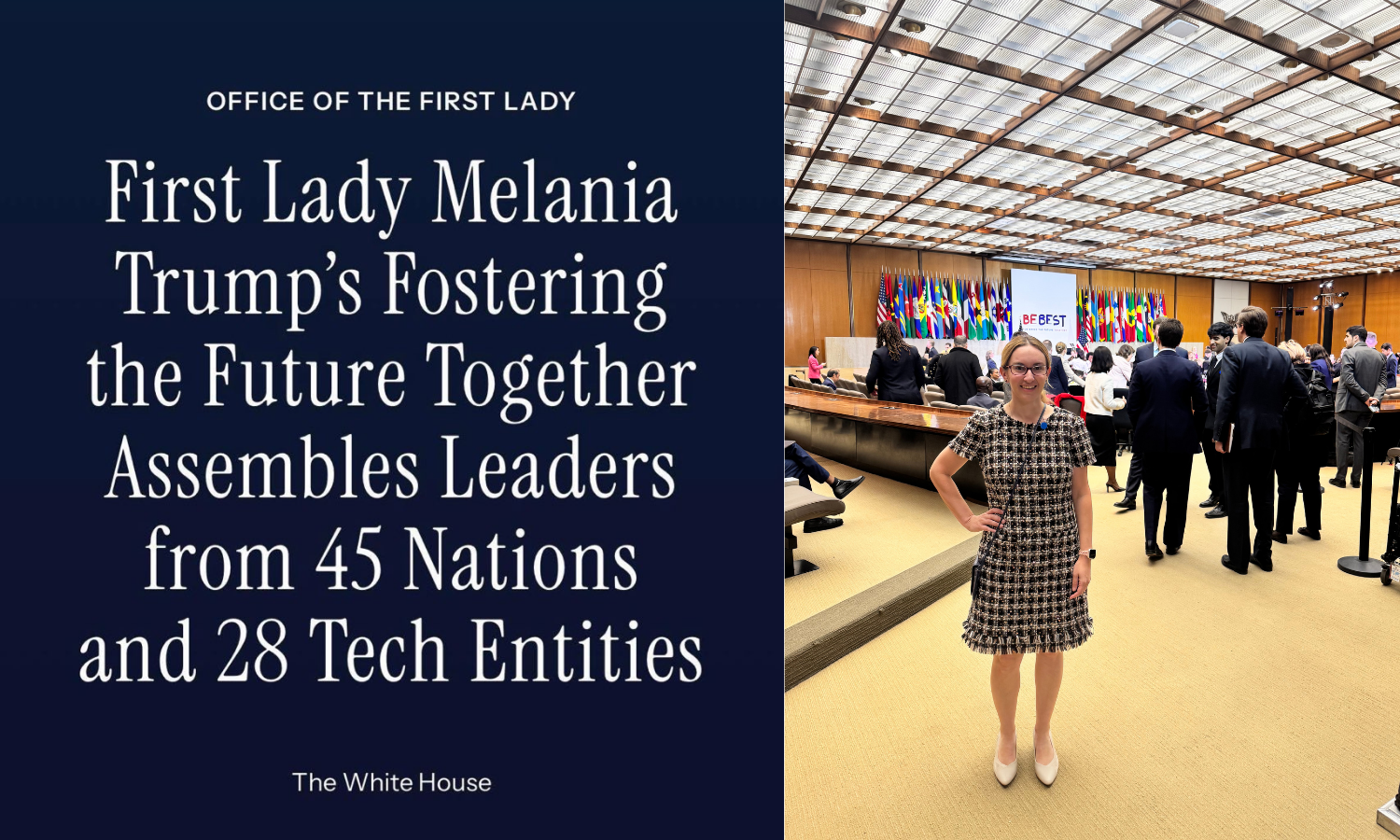
Winnie’s Co-Founder and CEO Sara Mauskopf participated in the White House Task Force on AI in Education. Sara also attended the Fostering the Future Together Coalition Summit at the U.S. Department of State, about educating the next generation with AI. Winnie is recognized on the White House Education AI Initiative as an organization committed to responsible AI use in education.
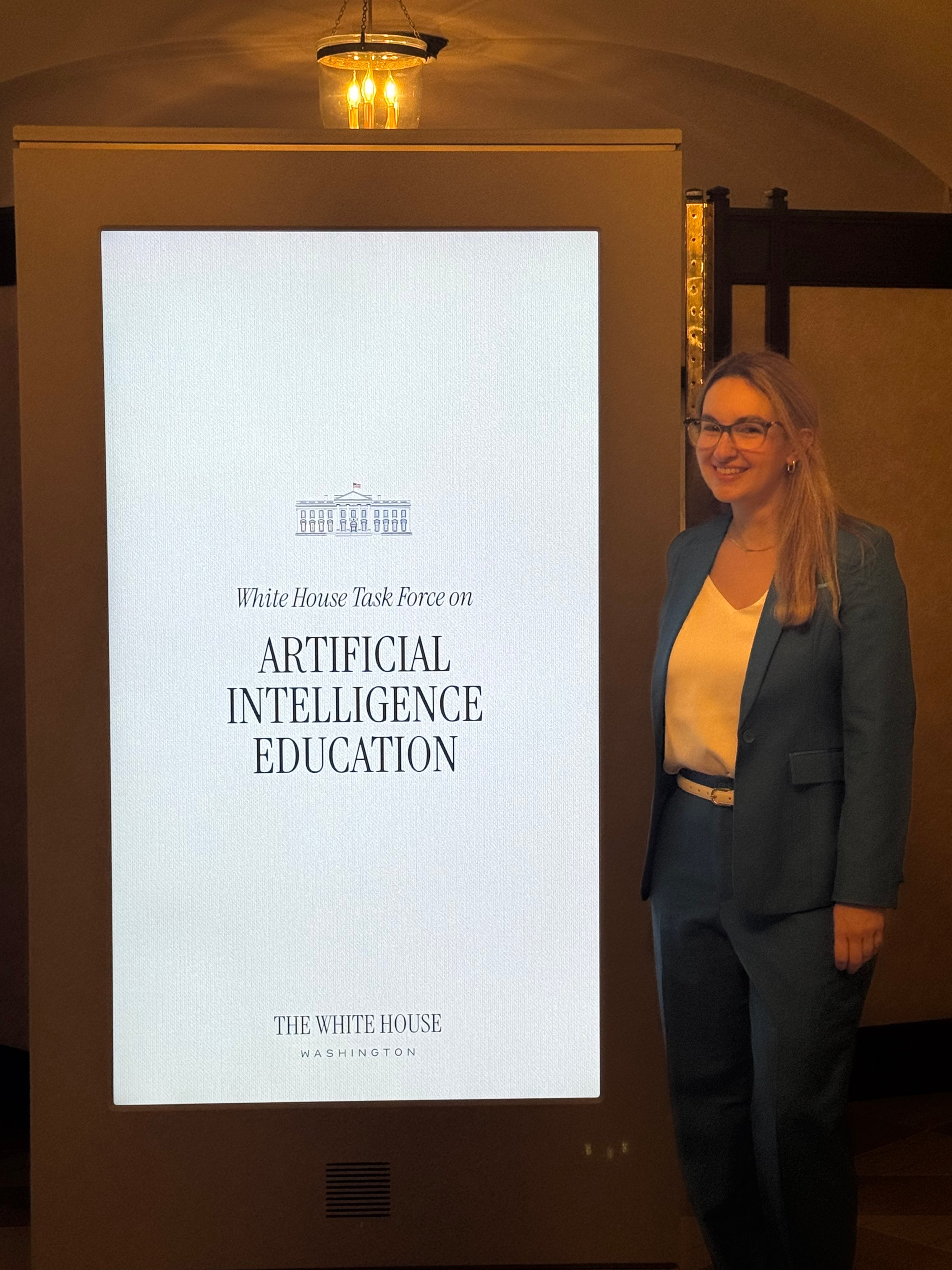
During these conversations, cabinet members and leaders from all over the world discussed AI’s use in education, edtech tools, digital literacy, and safety.
These conversations reinforced what we already believed: AI's greatest potential in early education isn't in a tutoring app. It's in all the work that keeps a child care program or school running, and that consumes enormous amounts of time that could otherwise be spent with or on children.
For example, a typical child care director spends a significant portion of her week on administrative tasks that have nothing to do with the developmental outcomes of the children in her program. She's responding to subsidy paperwork, managing waitlists, marketing her program to new families, and so much more. These tasks are real and necessary, but they are also exactly what AI is well-suited to assist with.
At Winnie, we're building AI into our platform in ways that directly reduce parent and provider burden. Instead of asking educators to adopt entirely new software, we’re embedding AI into the workflows they already rely on. We are helping providers respond to inquiries, book tours, communicate with families, and reduce hours of administrative work every week. We are helping parents find the best match for their children without hours of legwork.
The stakes are high. The first five years of a child's life represent a critical developmental window. The quality of care a child receives in those years shapes outcomes that follow them for decades. When we reduce the administrative burden on the educators who show up for those children every day, we're protecting space for the most impactful work.
We're at a genuinely exciting moment for AI, and the decisions being made right now about where to invest and which problems to prioritize will shape what this technology becomes. Early education has been chronically overlooked. The workforce is under-resourced, under-respected, and under-supported by technology. That isn't inevitable. It's a choice the industry has made by default, by building tools for the sectors with the loudest voices and the biggest budgets.
Winnie is making a different choice. If AI is going to transform education, it can’t just focus on the student sitting in front of a screen. It has to support the educators and caregivers who shape children’s lives every day. Give them their time back. Clear the friction. Let them do what they came to do.


